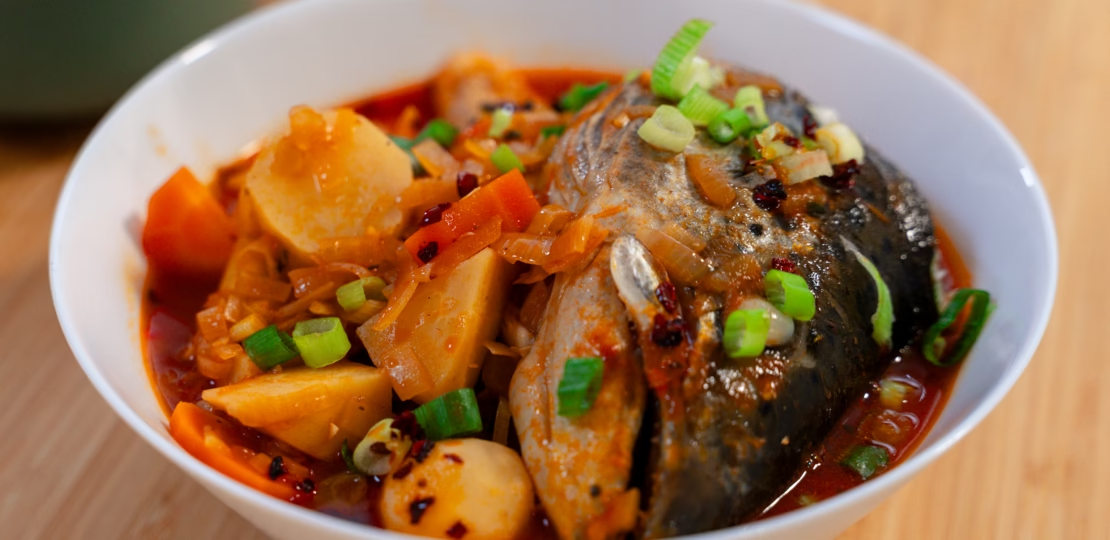
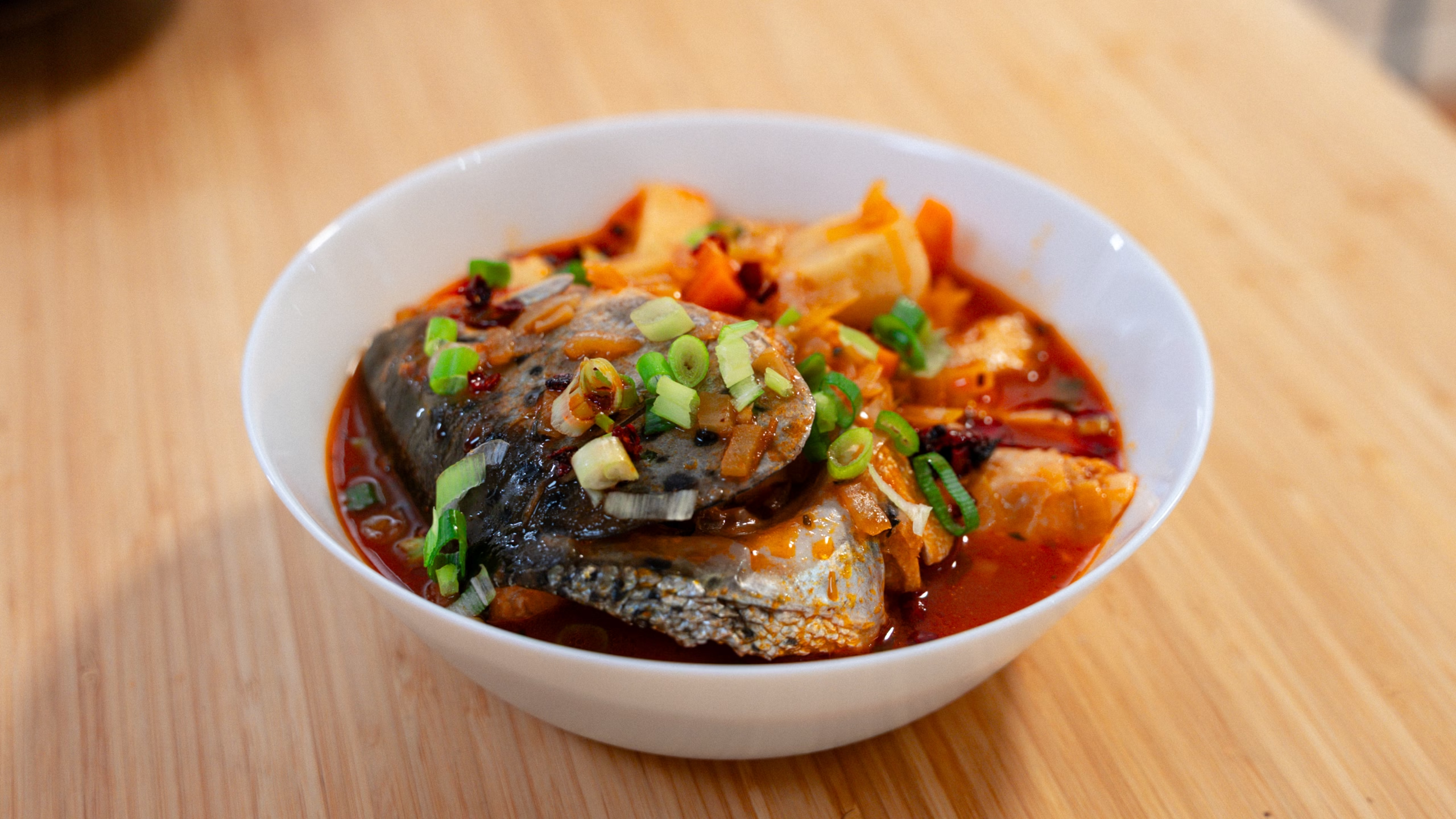
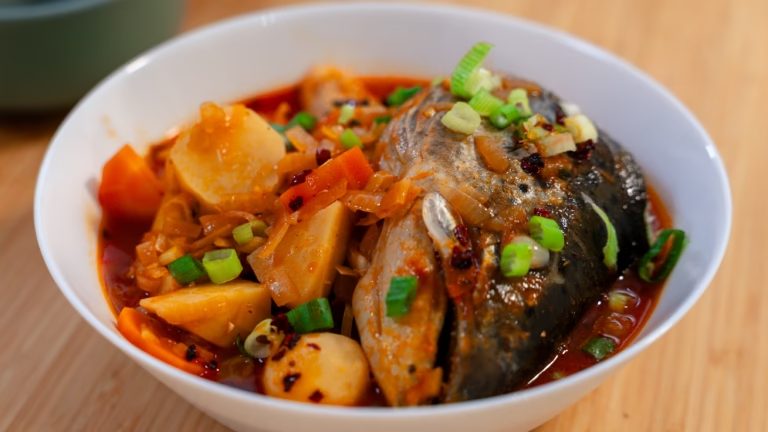
There is something special about a warm bowl of fish head soup. It has a depth of flavor that feels both rustic and delicate, and it is one of those dishes that remind you how much goodness can come from simple ingredients. When people first hear the words fish head soup, many imagine something complicated or unfamiliar. In reality, it is one of the most comforting soups you can make at home, especially when the weather is cold or when you want a nourishing meal that tastes rich without feeling heavy. The slow simmering of fish heads creates a broth with natural sweetness, gentle brininess, and a silky texture that even expensive seafood soups struggle to match. For anyone who loves homemade food, warm meals, and soups that taste like they have been simmering for hours, fish head soup is a perfect choice.
The Importance Of Good Stock In Fish Head Soup
When making fish head soup, one of the most important things you can focus on is the base. A good soup starts with a good stock. Many people reach for store bought stock because it is easy, but the difference between packaged stock and homemade stock is huge, especially in a soup where the broth is the star. Fish head soup benefits from a broth that tastes clean, fresh, and bright. Homemade fish stock gives you exactly that, and it lets you control the salt, flavor, and overall richness. Since fish heads already contain a lot of natural collagen and flavor, pairing them with a carefully made stock creates a soup that feels luxurious without requiring any complicated techniques.
See how to make the recipe in this video.
How To Make Homemade Fish Stock
Making homemade fish stock is easier than many expect. All you need are fish bones, maybe some shells from seafood, some vegetables like onion and leek, and cold water. The trick is to simmer gently instead of boiling hard, because a fast boil turns the stock cloudy. A slow, calm simmer lets the flavors develop in a clean way. You can add a few sprigs of thyme or parsley for freshness, and a touch of white wine helps lift the aroma. After forty to sixty minutes, the liquid turns into a fragrant, clear stock that works beautifully in fish head soup. Since the flavor is mild and natural, it blends smoothly with ginger, garlic, chili, or any other spices you decide to add to your soup.
Using Other Types Of Stock In Fish Head Soup
If you prefer, you can also make fish head soup with other kinds of stock. Chicken stock is a great choice because it has a neutral, savory flavor that supports the taste of the fish without overwhelming it. It makes the soup slightly richer and gives it a more familiar base if you are cooking for people who are new to fish head soup. Vegetable stock also works well if you want something lighter. I often recommend having a few types of homemade stock ready in the freezer. They are simple to make, inexpensive, and useful for so many dishes. If you want to explore different stock recipes, you can take a look at the ones I have shared below. These stock recipes are dependable, flavorful, and perfect for anyone wanting to build stronger soup making basics at home.
Before you start cooking the fish head soup, there is one step that makes the whole process easier. Removing the gills and fins is important because gills can make the broth taste bitter and fins can be difficult to manage once the soup is simmering. This step sounds more difficult than it is. With a good pair of kitchen scissors, the process becomes simple and clean. I use a sharp and sturdy kitchen scissors that makes the job quick and safe. If you are looking for a reliable one, I recommend this pair. It cuts through fins without effort and makes cleaning the fish heads a much smoother experience.
Seasoning And Aromatics That Elevate Fish Head Soup
Fish head soup also offers a lot of room for personal taste. I love adding chili because the heat balances the richness of the broth. Even a small amount of chili creates a lovely warmth that spreads through the whole soup. If you are sensitive to spice, you can skip it completely or use mild chili peppers just for aroma. Ginger is another ingredient that works beautifully in fish head soup because it adds brightness and helps balance the natural oils in the fish. Garlic gives depth, and onions or leeks make the base soft and sweet. These vegetables work together to create a broth that feels both comforting and lively. The aromatics you choose will shape the overall personality of the soup, and fish head soup responds beautifully to each addition.
Serving Fish Head Soup The Best Way
Another reason fish head soup is so versatile is the way you serve it. Many people enjoy the soup as it is, simple and clean, with some chopped spring onions on top. I often make it this way on quiet days when I want something warm but not heavy. Other times, especially when I want a heartier bowl, I serve fish head soup with noodles. Udon noodles are fantastic for this because they are thick, silky, and absorb flavors beautifully. The broth clings to each bite, and the combination of warm soup and chewy noodles makes the meal incredibly satisfying. If you enjoy soups that feel filling without being too rich, adding noodles to your fish head soup is one of the best ways to elevate the dish.
Fish head soup might be unfamiliar, but it is incredibly delicious.
To make the bowl even more special, I sometimes finish the soup with crispy chili oil. The crunchy texture and spicy aroma add excitement without overpowering the calm, soothing nature of the fish head soup. A small spoonful on top makes the surface glisten and the flavor pop. It is the kind of finishing touch that turns a simple bowl into something memorable. You can use store bought chili oil or make your own. If you keep a jar of it at home, it becomes one of those ingredients that works well on many soups, noodles, eggs, and roasted vegetables.
Why Fish Head Soup Feels So Rewarding
Fish head soup is also a dish that teaches you something about cooking. It reminds you that good food does not have to be expensive. It shows what can happen when you give attention and respect to ingredients that many people ignore or throw away. Fish heads are full of flavor, collagen, and natural richness. When you simmer them gently with vegetables, herbs, and aromatics, they create a broth that tastes far more complex than what you would expect from such a humble ingredient. This is one of the reasons I love making fish head soup. It feels resourceful, sustainable, and thoughtful. It reflects the kind of cooking that appreciates the whole ingredient, not just the parts that are commonly used.
A Final Note On Enjoying Fish Head Soup
If you are making fish head soup for the first time, trust the process. Let the vegetables soften, let the aromatics release their scent, and let the fish heads simmer slowly so the broth becomes silky and deep. Taste as you go and adjust the seasoning gently. Some people like their fish head soup lighter, while others enjoy a stronger flavor. Both are correct. Soup is one of the most forgiving things you can make, and fish head soup is no exception. It rewards patience and care, and it gives back far more than the sum of its parts.
A warm bowl of fish head soup is more than just a meal. It is comfort, nourishment, and a reminder of how simple ingredients can become something special. Whether you enjoy it with noodles, extra chili, spring onions, or a swirl of crispy chili oil, it is a dish that brings warmth to your table. If you have never tried making fish head soup at home, this is a great place to begin. It is honest cooking, cozy cooking, and a beautiful way to use ingredients fully and respectfully. And once you experience the depth of flavor that comes from homemade stock and slow simmering, you might find yourself returning to this soup again and again.
Learn how to make delicious fish head soup with fresh aromatics and vegetables A simple, nourishing soup that is full of flavor.
Total Time:1 hour
Yield:3–4 portions 1x
Ingredients
Scale
3–4 fish heads
1 onion, chopped
5 garlic cloves, chopped
1 leek, white part only, chopped
1 thumb sized piece of ginger, chopped
2 carrots, sliced
1 parsnip, diced
5–6 Jerusalem artichokes, halved
4 tbsp cooking oil
2 tbsp tomato paste
2 dl (¾ cup) white wine
5–6 sprigs thyme, chopped
1 liter (4 cups) fish stock
1–2 chili peppers (optional)
Black pepper, to taste
Salt, to taste
To serve
Noodles
Spring onions, chopped
Instructions
Remove the gills from the fish heads and clean them thoroughly, then cut off the fins using kitchen scissors.
Heat the cooking oil in a deep pot and sauté the onion until it softens.
Add the leek and sauté for a few more minutes before adding the carrot, parsnip, garlic and ginger.
Season with salt and black pepper and mix well.
Add the tomato paste, mix, and let it cook for a few minutes.
Pour in the white wine and let it reduce.
Add the Jerusalem artichokes, thyme and fish stock, and add the chili peppers if using. Let it simmer on medium low heat for 10 minutes, covered with a lid.
Add the fish heads, cover again, and simmer for another 30 minutes.
Serve over noodles or enjoy as is. Top with chopped spring onions.