There are some dishes you cook because they taste good. And then there are dishes you cook because they mean something. Luwombo is that kind of dish for me. It comes from the Baganda tribe in Uganda, my tribe. Historically, it was a royal dish, prepared for the Kabaka, the king. It was not everyday food. It was ceremonial. Reserved. Intentional. It carried status, care, and symbolism in every step of its preparation.
But what makes luwombo extraordinary is not only what goes into it. It is how it is made. At its core, luwombo is about enclosure. Meat, spices, aromatics, and sauce are wrapped tightly inside banana leaves and steamed slowly for hours. Nothing escapes. The juices do not evaporate. The aromas do not drift away. Everything remains inside, circulating, intensifying, transforming. The result is not simply cooked meat. It is meat that has been reshaped by its environment. And the leaf is central to that transformation.
See how to make the recipe in this video.
When the Wrapping Becomes an Ingredient
In many cuisines, wrapping is practical. It keeps food contained. It prevents sticking. It makes transport easier. In luwombo, the wrapping does far more.Banana leaves are not neutral. They carry aroma. They carry subtle vegetal notes. They release character when heated. They participate in the cooking process.
The way you treat the leaf before wrapping changes the outcome of the dish. Some cooks smoke the leaves. Others roast them briefly over flame. Some soften them gently in warm water. Each method has a practical purpose, making the leaf pliable so it does not tear. But each method also shapes flavour.
A smoked leaf introduces a gentle smokiness. A roasted leaf adds deeper, almost toasted undertones. A leaf simply softened in warm water preserves a fresher, greener aroma. Two cooks can use identical ingredients inside the parcel and still produce completely different results because of how the leaf was prepared. That is what makes luwombo so fascinating. Technique determines flavour. The wrapping is not a container. It is part of the identity of the dish.
Accessibility and Adaptation
But what happens when you do not have banana leaves? For many people outside East Africa, fresh young banana leaves are not something you can pick up easily. They are seasonal, regional, and deeply tied to geography. Parchment paper, however, is everywhere.
Using parchment is not about replacing tradition. It is about understanding the principle of the dish and making it accessible. If luwombo can only exist in one location with one specific ingredient, it remains limited. If you understand what makes it special, you can recreate its spirit anywhere.
Parchment paper behaves very differently from banana leaf. It does not release aroma. It does not add flavour. It is neutral. And that neutrality changes the dynamic entirely. When you remove the leaf as a flavouring component, responsibility shifts inward. Now everything must come from what is inside the parcel. The technique remains the same. The flavour architecture changes.
For luwombo, you wrap the meat in banana leaves, but parchemnt paper makes the dish much more accessible to make.
A Modern Flavor Structure
In this version, lamb takes the lead. Rich, deeply flavoured, capable of standing up to bold elements. But without the aromatic contribution of banana leaf, the balance must be rebuilt intentionally. Pomegranate becomes the counterpoint.
The seeds bring brightness and texture. The syrup introduces sweet acidity. Together they cut through the richness of the lamb, lifting it and keeping the dish from feeling heavy. The acidity replaces the fresh green notes that banana leaves would have contributed.
A small amount of white wine adds another layer. Not enough to dominate, but enough to introduce subtle complexity. It rounds the sauce and adds a gentle aromatic lift. Nothing here is traditional in the strictest sense. But the technique remains intact. The lamb is still enclosed. It still steams in its own juices. It still cooks slowly and gently until tender. The transformation still happens inside the parcel. The difference lies in where the flavour comes from.
Wrapped Cooking Across Cultures
Luwombo does not exist in isolation. Across the world, cultures have discovered the power of enclosed cooking.
In Greece, lamb kleftiko is sealed and baked slowly in parchment. In parts of Mexico and Peru, meats are wrapped and steamed in leaves underground. In France, fish is baked en papillote. In China, lotus leaves wrap rice and fillings before steaming.
The act of wrapping food is universal. The intention behind it varies. In some traditions, the wrapping is primarily functional. It traps steam and moisture. In others, it contributes structural components, like masa in tamales. In luwombo, the wrapping is foundational to flavour identity. The banana leaf is inseparable from the dish’s character. That distinction matters. It shows that technique is not merely mechanical. It is cultural. It carries history.
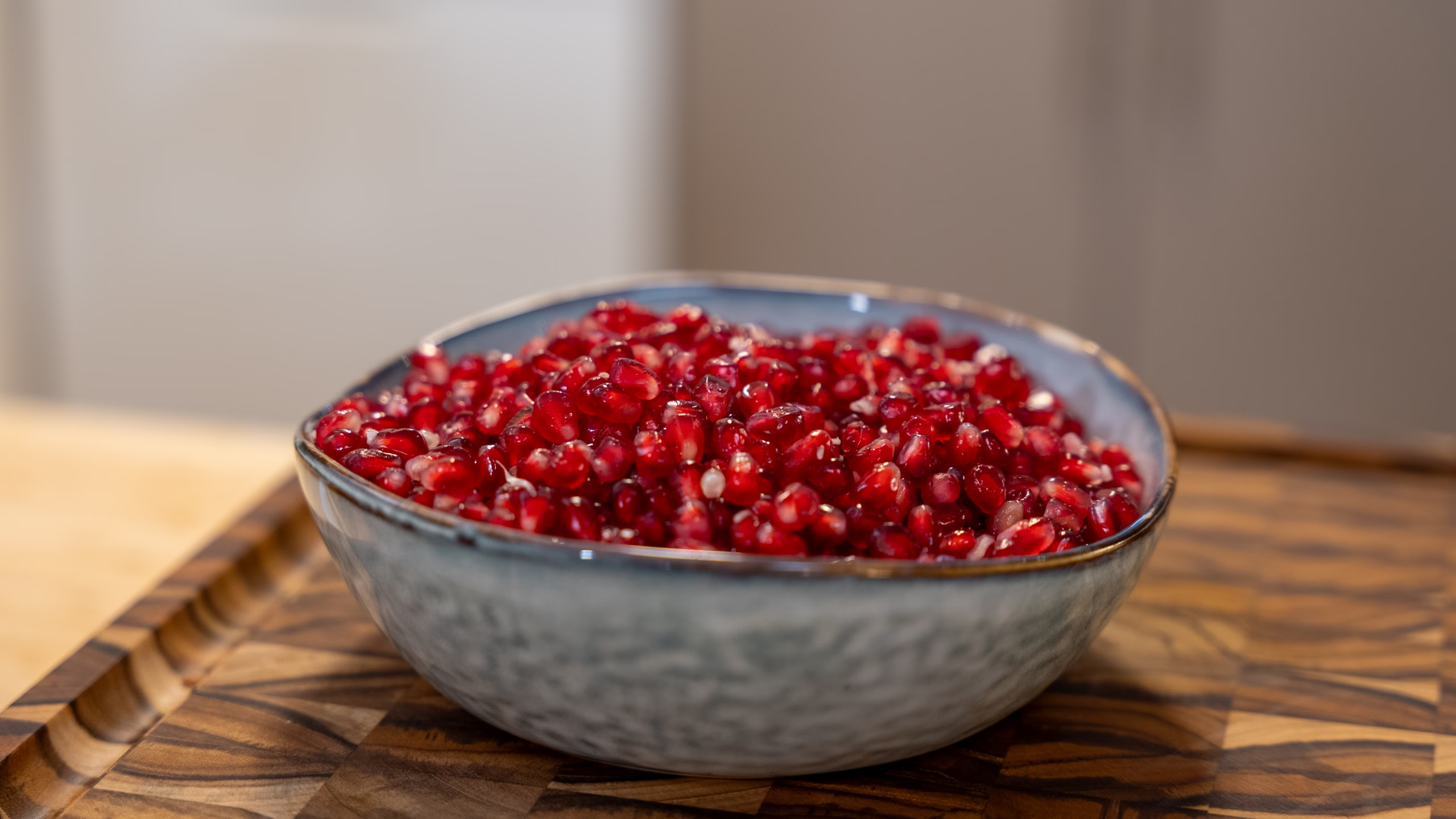
Pomegranate brings brightness, sweetness, and acidity to the dish.
Why This Evolution Matters
Food evolves because people move. Because climates differ. Because ingredients become scarce or abundant. Migration, trade, adaptation. These are constants in culinary history. Holding onto tradition does not mean freezing it in time. It means understanding what defines it. If you know the essence of a dish, you can adapt it without erasing it.
The essence of luwombo is enclosure. Slow steaming. Transformation through self-contained cooking. Concentration of flavour within a sealed environment. Banana leaves are the original vehicle for that transformation. But the principle goes deeper than the leaf itself. When you cook this dish wrapped in parchment, you are not copying. You are translating. The language changes. The structure remains.
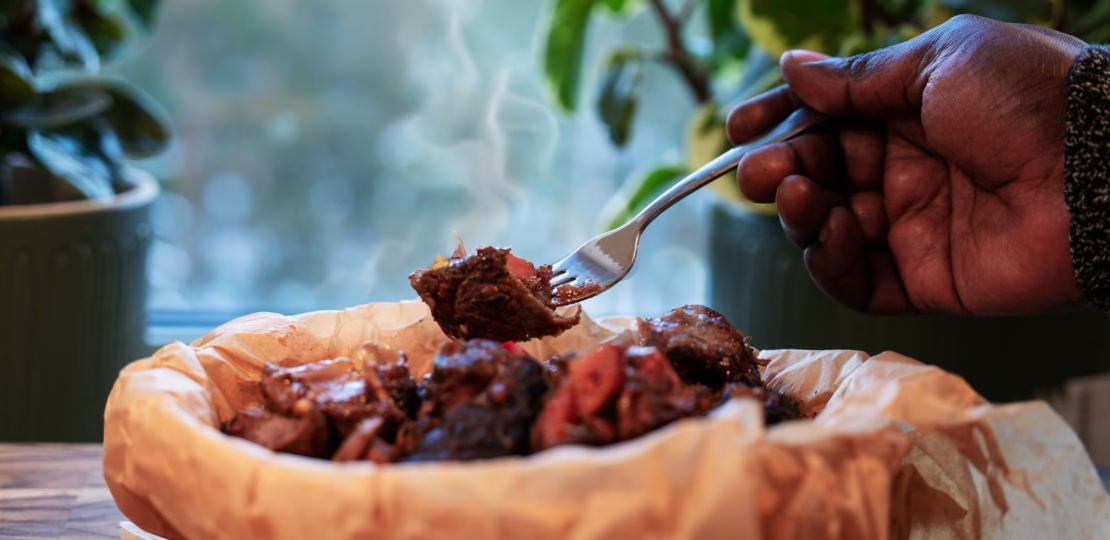
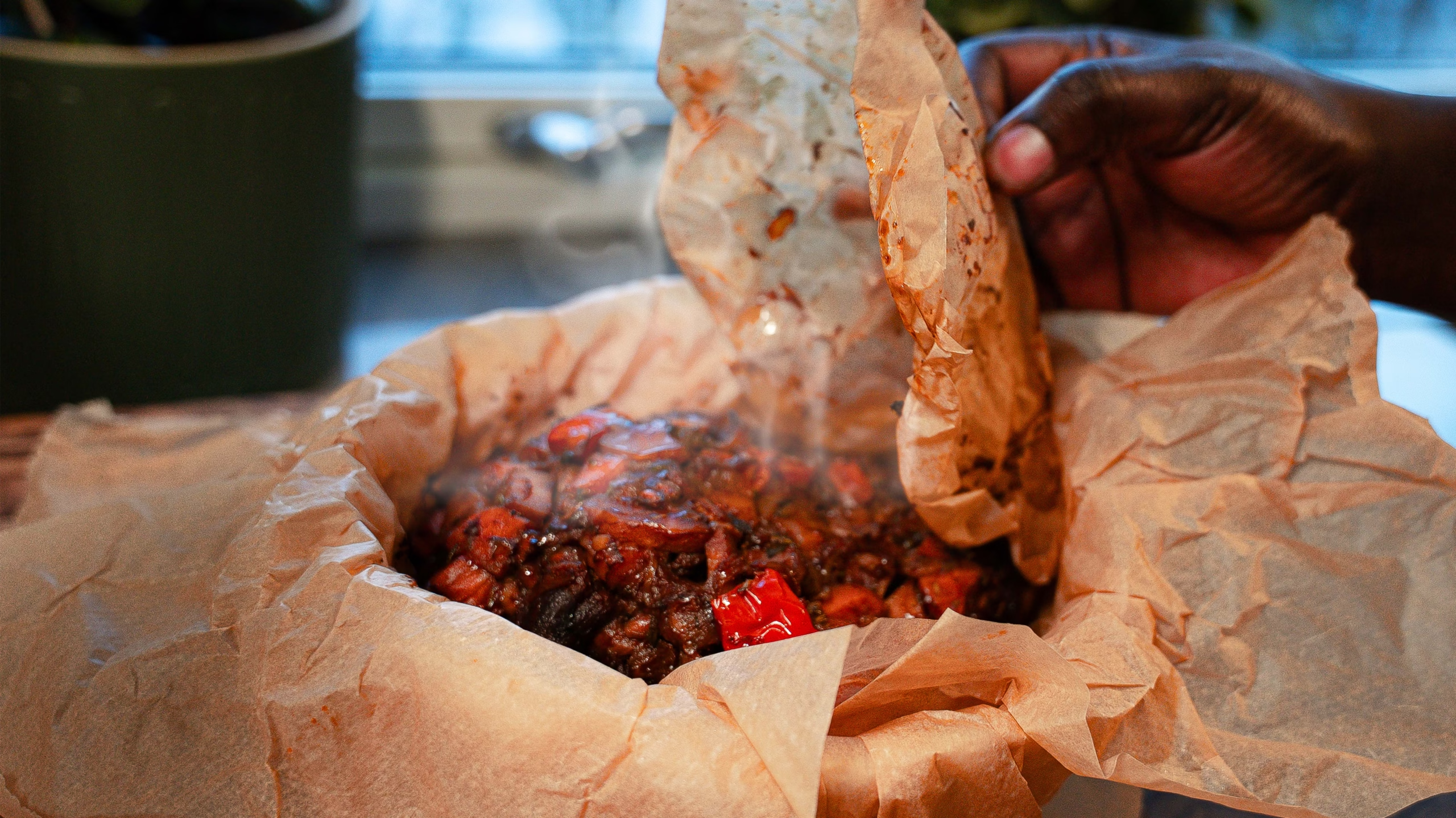
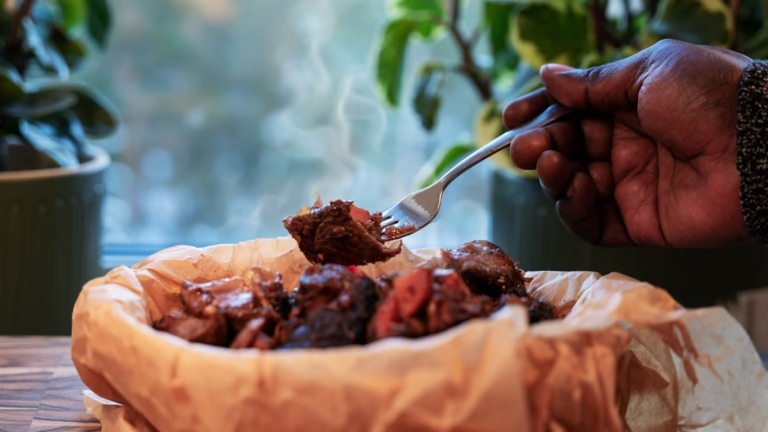
Lamb luwombo cooked wrapped in parchment paper.
Tradition in a Different Language
There is sometimes tension around reinterpretation. Questions about authenticity. About respect. About ownership. But tradition has always been dynamic. Ingredients once foreign become local over time. Techniques travel. Dishes shift subtly across generations.
Reimagining luwombo with lamb, pomegranate, and white wine is not an attempt to replace the original. It is a way of exploring it. Of understanding what makes it special by adjusting one variable and observing the result.
When you remove the banana leaf, you become acutely aware of what it was contributing. When you replace its aroma with acidity and brightness, you feel the balance recalibrate. You see more clearly how structure and flavour interact.
That awareness deepens appreciation for the traditional form rather than diminishing it. Today, the parcel is made of parchment. The meat is lamb. The sauce carries pomegranate and wine. It is not what would have been served in the palace of the Kabaka.
But the spirit remains. The care. The slow cooking. The sealed environment. The transformation that happens quietly inside. It is luwombo spoken in a different language. And sometimes, that is what keeping a tradition alive looks like.
A modern take on Ugandan luwombo, the royal Baganda dish traditionally steamed in banana leaves. Lamb, pomegranate, and parchment reimagine the technique.
Total Time:4 hours 40 minutes
Yield:4–6 portions 1x
Ingredients
Scale
3 kg (6.6 lb) lamb
2 tbsp cooking oil
1 onion, chopped
2 carrots, sliced
1 parsnip, sliced
1 red chili pepper, halved
4 garlic cloves, chopped
2 rosemary sprigs, chopped
2 sage sprigs, chopped
2 dl (¾ cup) white wine
1 pomegranate, seeds only
2 tbsp tomato paste
3 tbsp pomegranate syrup
2 dl (¾ cup) beef stock
1 ½ tsp paprika
Black pepper, to taste
Salt, to taste
Instructions
Preheat the oven to 225°C (435°F). Season the lamb with salt, black pepper, and paprika. Place the pieces on a roasting tray and roast for about 20 minutes, until deeply browned. Turn and roast until the other side is also browned.
Reduce the oven temperature to 150°C (300°F).
Heat the cooking oil in a frying pan over medium heat. Add the chopped onion and sauté until softened.
Add the carrots, parsnip, and chili. Sauté for a few more minutes until slightly tender.
Stir in the chopped rosemary, sage, and garlic. Cook for 1-2 minutes until fragrant.
Pour in the white wine and let it reduce.
Add the pomegranate seeds and tomato paste. Cook for a few minutes while stirring.
Stir in the pomegranate syrup.
Pour in the beef stock and let the sauce simmer until slightly thickened, if needed. Season with salt and black pepper to taste.
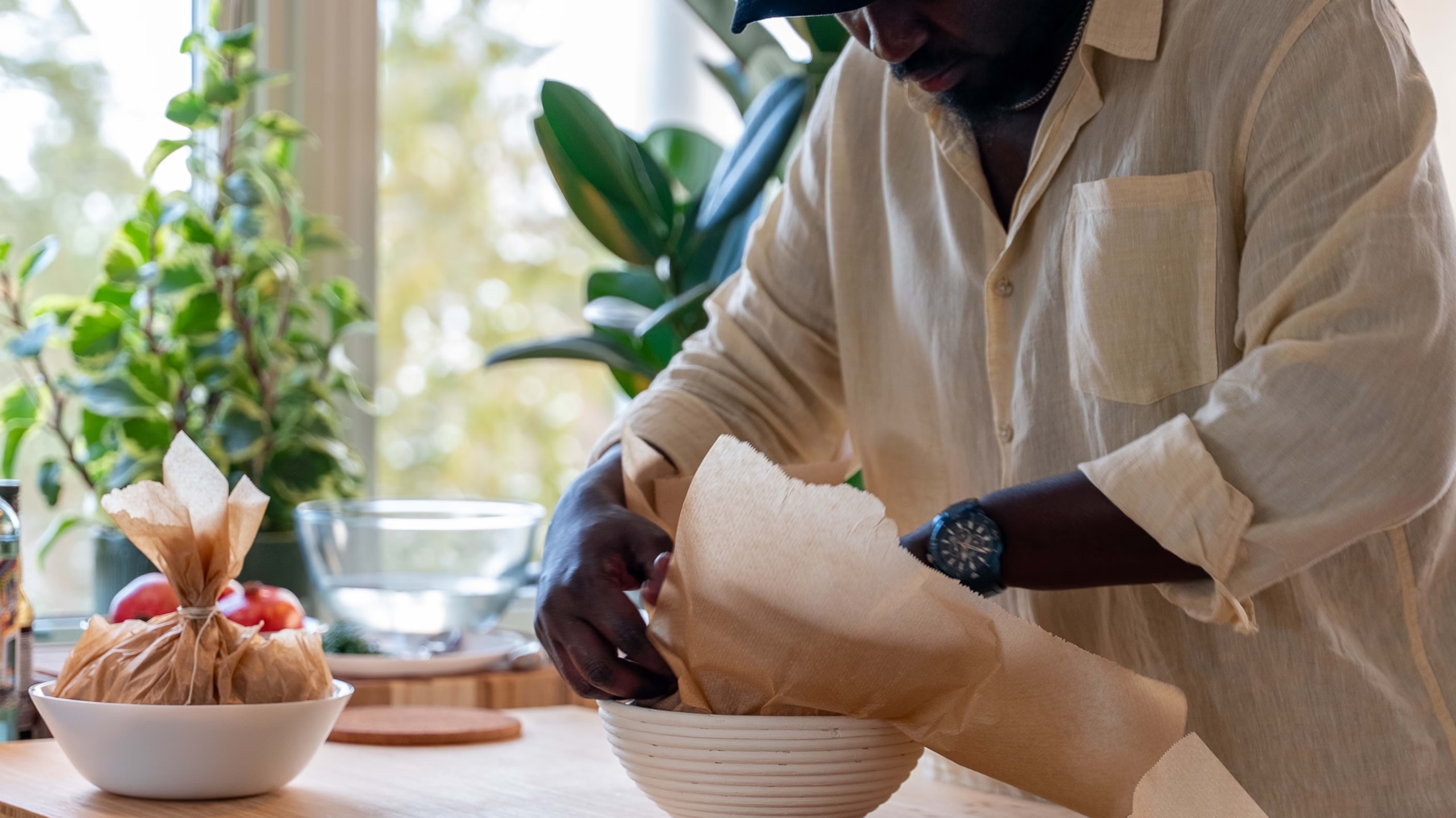
Lay two overlapping sheets of parchment paper inside a deep bowl or bread basket. Place half of the browned lamb in the center and spoon over half of the sauce.
Cover with additional parchment paper and wrap tightly to seal. Tie securely with butcher’s twine. Repeat to form a second parcel.
Place the parcels in a baking dish and cook in the oven at 150°C (300°F) for 3 ½-4 hours, until the lamb is very tender.