There is something strange about the way people talk about vegetarian food. The moment a dish is labeled vegetarian, people often expect compromise. They expect something lighter, less satisfying, or less indulgent than dishes centered around meat. But that has never really made sense to me, especially when it comes to roasted aubergine.
A properly cooked roasted aubergine can be incredibly rich, smoky, soft, and comforting. It does not need to imitate meat to feel luxurious. When aubergine is cooked slowly and given enough time in the oven, the inside becomes almost buttery in texture. It absorbs flavor beautifully and becomes the kind of ingredient that feels substantial enough to stand at the center of a plate.
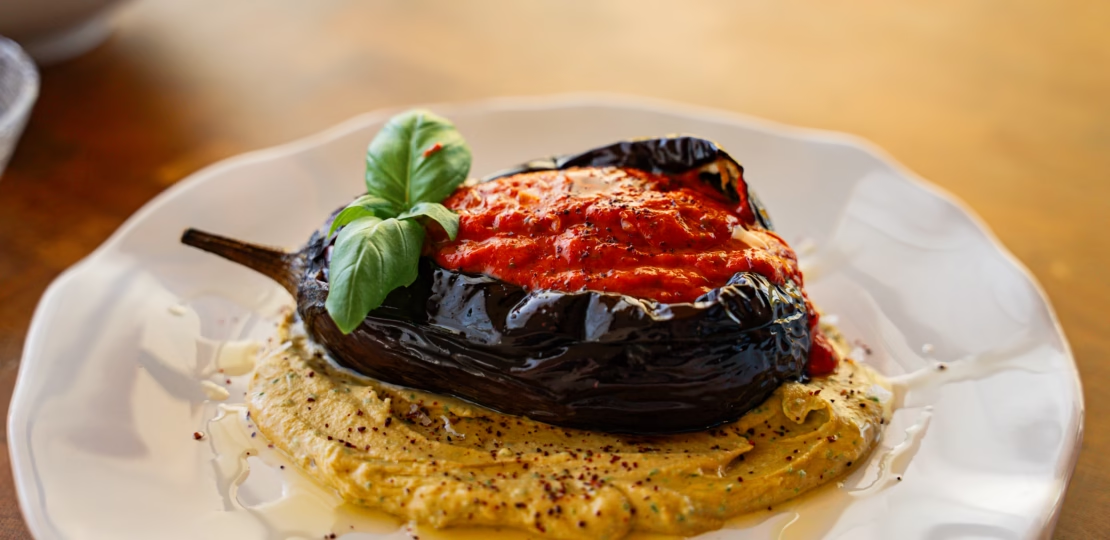
This roasted aubergine is served with creamy wild garlic hummus and a smoky tomato and bell pepper confit. Together, the combination becomes deeply comforting while still feeling fresh and vibrant. It is the kind of meal that proves vegetables can feel just as special and satisfying as any meat-based dish.
See how to make the recipe in this video.
Growing Up Eating Aubergine
I grew up eating a lot of aubergine, including smaller varieties like Thai eggplant. Back then, it was not treated like a luxurious ingredient at all. It was something many families could grow easily in their backyard throughout the year. Aubergine was often added to stews to make them thicker and more filling. Sometimes it was peeled and stir-fried, sometimes simmered until soft in sauces.
It is interesting how much the perception of food changes over time. Today, aubergine is often presented as a premium ingredient in restaurants and modern vegetarian cooking. People talk about its health benefits, its texture, and how versatile it is.
But despite growing up with it, I still think aubergine is one of those vegetables that can easily go wrong if it is not cooked properly. Undercooked aubergine has a texture I personally do not enjoy at all. It can feel spongy, bitter, and unpleasant. That is why roasted aubergine works so well. Giving it enough time in the oven transforms it completely.
The long roasting time allows the flesh to collapse into itself and become soft and creamy. The outside develops a rich roasted flavor while the inside turns silky and tender. That transformation is what makes roasted aubergine so satisfying.
The Secret To Good Roasted Aubergine
One of the most important things when making roasted aubergine is patience. A lot of recipes do not cook it long enough. The vegetable needs time to soften completely and develop flavor.
For this dish, everything roasts at the same time in the oven for about an hour at 200°C. The aubergine, the confit vegetables, and the peppers all cook together, which makes the process surprisingly simple despite how impressive the final plate looks.
That is another thing I enjoy about this meal. Even though the final result feels elegant and layered, the cooking process itself is actually very relaxed. Once everything is in the oven, most of the work is done for you. The roasted aubergine slowly softens while the tomatoes, garlic, and peppers gently confit in olive oil. Meanwhile, the bell peppers char and become smoky and sweet. The oven does most of the work while all the flavors develop naturally.
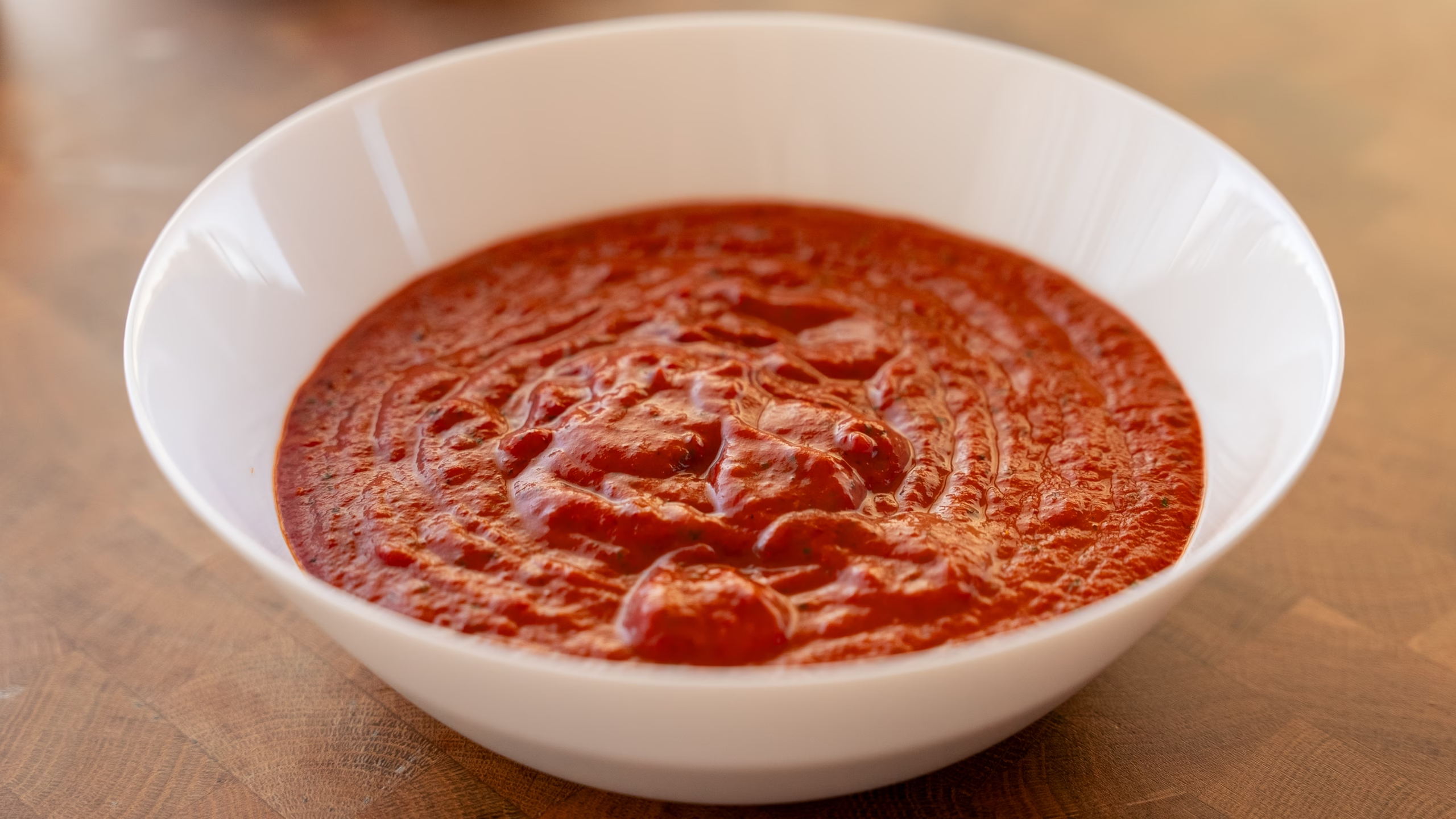
The tomato pepper confit sauce can be used for so many other things: pasta, pizza, as a dip sauce. You name it.
Why Confit Is Worth It
Confit is one of those cooking methods that always creates debate online. The moment people see vegetables submerged in oil, they immediately start talking about waste or excess. But I think that completely misses the point.
The oil is not wasted at all. In fact, the flavored oil becomes one of the best parts of the entire process. As the tomatoes, garlic, rosemary, chili, and peppers cook slowly, they infuse the oil with an incredible amount of flavor. The result is a rich and aromatic oil that can be reused in many different ways afterwards. You can drizzle it over roasted vegetables, mix it into pasta, use it in salad dressings, spoon it over bread, or even use it when frying eggs or potatoes.
And because the recipe makes quite a large amount of confit sauce, you will likely have leftovers for several meals. That is one of the reasons I enjoy making dishes like this. You end up with components that continue being useful long after the original meal is finished.
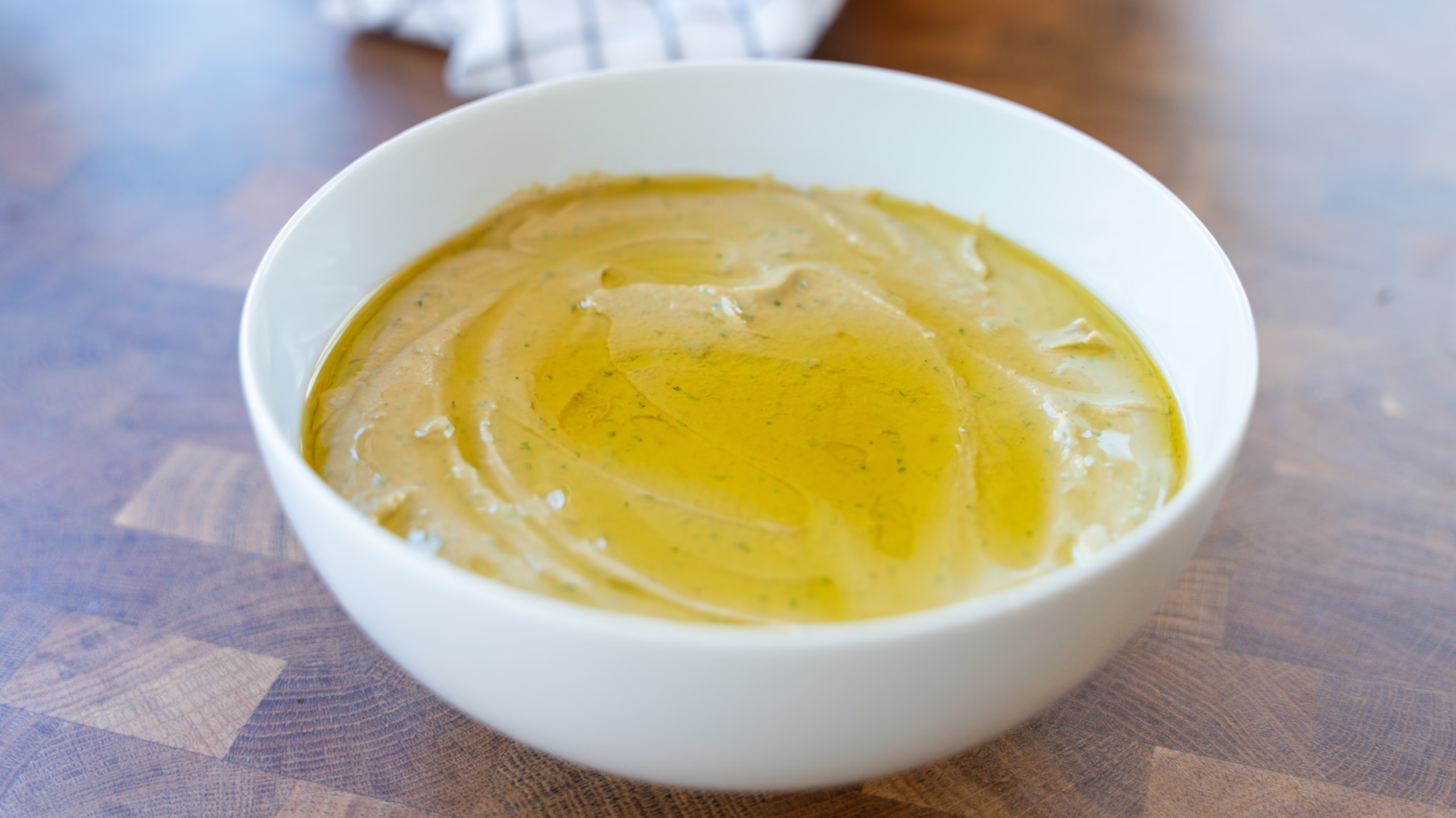
The same thing applies to the hummus. You will probably have extra hummus left over, which is never a bad thing. It works beautifully as a spread for sandwiches, a dip for vegetables, or served alongside roasted potatoes, grilled meat, or fresh bread.
Why Wild Garlic Works So Well In Hummus
Wild garlic is one of my favorite ingredients during spring. For a short period every year, forests here become filled with the smell of garlic, and it feels like a clear sign that winter is finally over.
Adding wild garlic to hummus gives it a fresher and slightly greener flavor compared to regular garlic. It keeps the hummus vibrant while still giving it depth and richness. Good hummus is all about balance. It should feel creamy, smooth, rich with olive oil and tahini, bright from the lemon, and soft enough to spread easily onto the plate. The texture matters just as much as the flavor.
Removing the chickpea skins helps create a much smoother hummus, and although it takes a little extra effort, it makes a noticeable difference in the final texture. The hummus becomes softer, creamier, and more luxurious. That creaminess pairs perfectly with roasted aubergine because both components share a similar softness. The smoky confit then adds brightness, sweetness, and acidity that cuts through the richness.
I added wild garlic in this hummus, but regular garlic works just as well.
A Dish That Feels More Than Vegetarian
I think this is exactly the kind of meal that changes the way people think about vegetarian food. Not because it imitates meat, but because it focuses completely on making vegetables taste as good as possible.
The roasted aubergine becomes smoky and buttery. The hummus becomes creamy and rich. The tomato and bell pepper confit becomes sweet, silky, and deeply flavorful. Everything on the plate has its own role, but together they create something that feels comforting and complete.
And honestly, that is what I enjoy most about cooking vegetables this way. It stops being about categories like vegetarian or non-vegetarian. It simply becomes good food. Food that feels satisfying enough that you do not think about what is missing. You only think about going back for another bite.
If you are looking for a comforting vegetarian dinner, a new way to cook roasted aubergine, or simply a dish that feels rich and flavorful while still being built around simple ingredients, this is absolutely worth trying.