Butter Beans And Butternut Squash: The Comfort Food I Keep Coming Back To
There are certain ingredients that quietly become part of your cooking without you even noticing. You buy them often, keep them in the pantry, and somehow they always manage to work their way into meals throughout the week. For me, butter beans and butternut squash have become two of those ingredients. They are affordable, filling, versatile, and surprisingly comforting, especially during colder months when you want food that feels warm and grounding.
I think a lot of people underestimate both butter beans and butternut squash because they are so common. They are not trendy ingredients, and they usually are not treated as something exciting. But I honestly think that is part of the reason I enjoy cooking with them so much. They leave a lot of room for creativity. They absorb flavor beautifully, they work in many different styles of cooking, and they can become something that feels much more special than people expect.
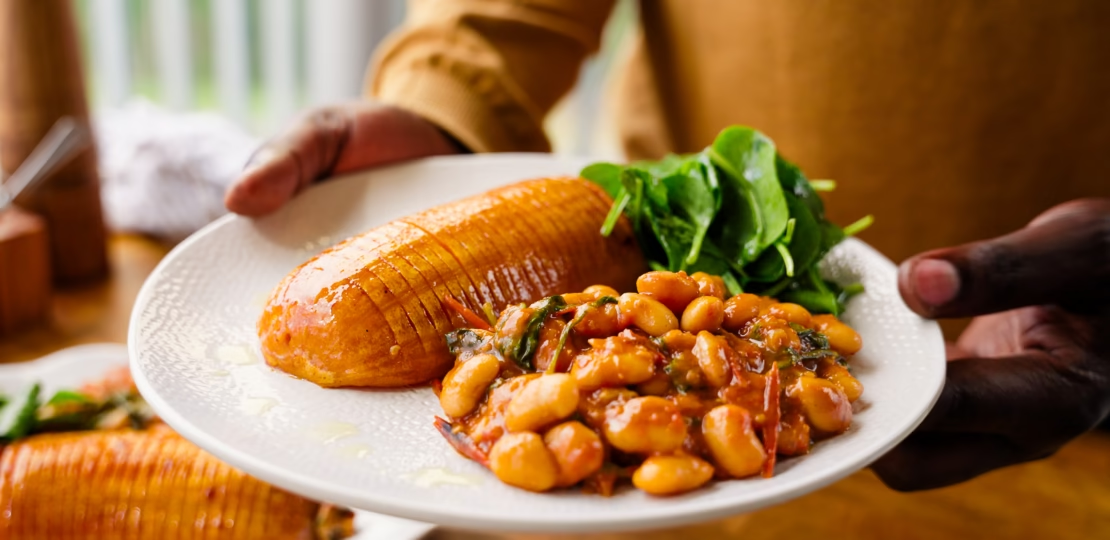
This dish came together because I wanted to make something deeply comforting but still balanced. I wanted creamy butter beans with rich roasted tomatoes, soft garlic, and a savory sauce that felt hearty without becoming too heavy. At the same time, I wanted the butternut squash to feel almost like the centerpiece of the plate rather than just another side dish. Roasting it hasselback-style completely changes the texture and allows all the flavors to work their way into every slice. The result is one of those meals that feels rustic and comforting while still looking elegant enough to serve for guests.
See how to make the recipe in this video.
Why Butter Beans Work So Well In Comfort Food
Butter beans have a texture that is very different from many other beans. They are soft, creamy, and mild in flavor, which makes them incredibly adaptable. Instead of overpowering a dish, they absorb whatever flavors you cook them with. That is one of the reasons butter beans work so well with roasted tomatoes, garlic, miso, herbs, and stock.
When cooked slowly in a flavorful sauce, butter beans almost become silky. They create a meal that feels rich and satisfying without needing large amounts of meat or cream. I think that is one of the reasons so many people search for butter beans recipes during colder seasons. They provide the same kind of comfort people often look for in stews or casseroles, but they can still feel relatively light and fresh.
Another reason I enjoy cooking with butter beans is that they pair beautifully with vegetables. In this dish, the roasted cherry tomatoes break down into a naturally sweet sauce while the garlic softens completely and melts into the beans. The spinach adds freshness and color, while the miso brings depth and a subtle savory flavor that ties everything together.
Butternut Squash Deserves More Attention
I think butternut squash is one of those vegetables that many people buy with good intentions and then never quite know what to do with. A lot of recipes treat it as something to simply roast in cubes or blend into soup. While those methods are great, I think butternut squash can become much more interesting when you treat it with the same care you would give potatoes or meat.
Cutting butternut squash hasselback-style changes the entire experience of eating it. The thin slices allow the butter, honey, spices, and herbs to seep into the squash while roasting. The edges caramelize, the center becomes soft and tender, and the texture becomes almost layered. It also creates a dish that looks much more impressive than the amount of effort it actually requires.
The sweetness of butternut squash works especially well with warm spices and herbs. Paprika, chili flakes, rosemary, and thyme all complement the natural flavor of the squash without overwhelming it. The honey helps create caramelization while the lemon juice keeps everything balanced so the dish never becomes overly sweet.
One of the things I enjoy most about butternut squash is how comforting it feels while still tasting fresh and vibrant. Some comfort foods can feel heavy after a few bites, but roasted butternut squash keeps a certain brightness because of its natural sweetness and texture.
Roasting and Stock Changes Everything
I genuinely think roasting is one of the best ways to transform simple ingredients into something memorable. The difference between raw cherry tomatoes and roasted cherry tomatoes is enormous. Once roasted slowly in olive oil, they become sweeter, softer, and far more concentrated in flavor. Garlic changes completely as well. Instead of tasting sharp and intense, it becomes mellow, rich, and almost buttery.
The same thing happens with butternut squash. Roasting brings out its sweetness while also giving it deeper flavor through caramelization. When you baste the squash throughout cooking, the outer layers develop a glossy, flavorful coating while the inside stays soft. I think this is why roasted vegetable dishes often feel so satisfying even when they use simple ingredients. The cooking method itself creates complexity.
The stock is also important. I like using beef or chicken stock, but for a vegetarian version, use vegetable stock. Either way, homemade stock is the best way to go. It’s completely different than store-bought versions. If you want to learn how to make your own stock, see the recipes linked below.
One of my favorite things about combining butter beans and butternut squash is the contrast between the two components. The butter beans are soft, creamy, and deeply savory, while the butternut squash brings sweetness, texture, and caramelization. Together, they create a meal that feels balanced in a very natural way.
It is also a dish that works in many situations. It can be a cozy weeknight dinner, but it can also work beautifully when serving guests. The hasselback butternut squash looks visually impressive on the plate, especially when finished with fresh herbs and glossy roasted edges.
I think meals like this are often the most memorable because they feel approachable rather than overly complicated. There is nothing overly technical happening here. It is mostly about allowing good ingredients to develop flavor slowly and naturally.
Why This Combination Works So Well
There is a reason butter beans and butternut squash work so naturally together. The beans provide richness and protein while the squash adds sweetness and structure. The roasted tomatoes add acidity and depth, while the herbs bring freshness.
Even the textures complement each other well. The creamy butter beans contrast beautifully against the tender butternut squash with its caramelized edges and layered slices.
I also think this kind of meal appeals to many people because it feels substantial without relying heavily on meat. It is filling, warming, and satisfying while still feeling vegetable-forward. That balance is something I appreciate more and more in my cooking.
A comforting recipe with creamy butter beans, roasted tomatoes, and hasselback butternut squash. A cozy, flavorful dinner packed with rich roasted flavors, herbs, and simple ingredients.
Total Time:1 hour 50 minutes
Yield:4 portions 1x
Ingredients
Scale
Butter Beans
400 g (14 oz) cherry tomatoes
5 garlic cloves
5 tbsp olive oil
1 tbsp butter
1 shallot, finely chopped
600 g (21 oz) butter beans, pre-cooked
½–1 tsp chili flakes
1 tbsp tomato paste
1 tbsp miso
3 dl (1 ¼ cups) beef, chicken, or vegetable stock
100 g (3 ½ oz) fresh spinach
Salt, to taste
Black pepper, to taste
Butternut Squash
1 butternut squash
2 tbsp olive oil
75 g (5 tbsp) butter, softened
4 tbsp honey
1½ tsp paprika
½ tsp chili flakes
2 tbsp lemon juice
2 sprigs rosemary
4 sprigs thyme
Salt, to taste
Black pepper, to taste
Instructions
Butter Beans
Preheat the oven to 180°C (355°F).
Add the cherry tomatoes, garlic cloves, 2 tbsp olive oil, salt, and black pepper to an oven-safe dish. Roast in the oven for 1 hour, until the tomatoes are soft and caramelized.
Heat the remaining 3 tbsp olive oil together with the butter in a frying pan over medium heat. Add the shallot and sauté for a few minutes until softened.
Add the chili flakes and tomato paste. Cook for 1 minute while stirring.
Add the butter beans and mix well. Stir in the miso, followed by the roasted tomatoes and garlic.
Pour in the beef stock and let everything simmer on low heat until the sauce thickens to your liking.
Taste and adjust the seasoning with salt and black pepper if needed.
Add the spinach and let it cook down gently before serving.
Butternut Squash
Cut off the longer, slimmer top part of the butternut squash and peel it.
Push a skewer into squash piece, lengthwise. Slice thin cuts across the squash, similar to hasselback potatoes. The skewer will stop the knife from cutting all the way through.
Place the squash in an oven-safe dish. Drizzle with olive oil and season with salt and black pepper.
In a bowl, mix together the softened butter, honey, paprika, chili flakes, lemon juice, and a pinch of salt until well combined.
Bake the butternut squash at 180°C (355°F) for 1 ½ hours. Every 30 minutes, baste generously with the butter mixture. After the first 30 minutes, cover loosely with aluminum foil.
When 30 minutes of cooking time remain, add the rosemary and thyme to the dish and baste one final time.