Slow Braised Fennel With Cherry Tomatoes Parsnip Purée
There are certain vegetables that people tend to avoid automatically, and fennel is definitely one of them. Mention fennel to someone and there is a good chance they immediately think about the strong licorice-like flavor that raw fennel is known for. For many people, that flavor feels too sharp, too herbal, or simply too unfamiliar. I used to feel the same way.
Raw fennel was never really something I naturally enjoyed eating. The flavor reminded me too much of licorice, which is one Swedish ingredient I still have not fully learned to appreciate. In Sweden, licorice is everywhere. It appears in candy, desserts, ice cream, and all kinds of snacks. A lot of people absolutely love it. I have tried many times to understand the appeal, but it still tastes incredibly intense to me.
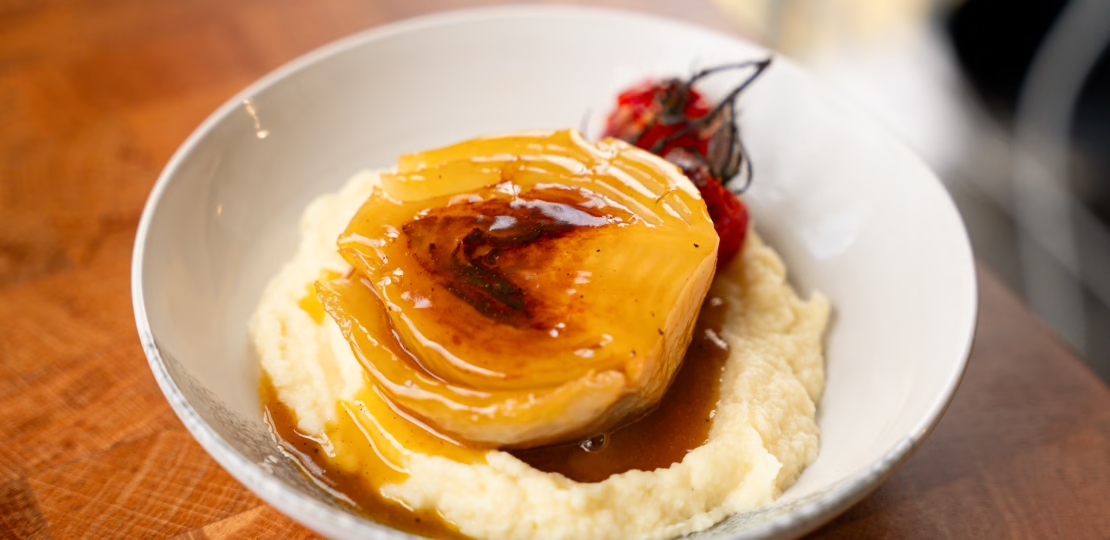
That is exactly why this slow braised fennel dish is so surprising. Because once fennel is cooked slowly in butter, wine, and orange juice, it becomes something completely different. The sharpness softens, the texture becomes tender, and the flavor turns mellow, sweet, and deeply comforting. It no longer tastes aggressive or overpowering. Instead, the fennel takes on all the rich flavors surrounding it. That transformation is one of the things I love most about cooking.
See how to make the recipe in this video.
Why Slow Cooking Completely Changes Fennel
One of the biggest mistakes people make with fennel is assuming that the raw version represents the ingredient as a whole. But fennel changes dramatically depending on how you cook it. When fennel is roasted, braised, or slowly cooked in butter, the natural sugars begin to develop. The intense anise flavor becomes softer and more balanced. The texture also changes completely. Instead of being crisp and fibrous, the fennel becomes silky and tender.
Slow braised fennel especially works beautifully because it gives the vegetable enough time to absorb flavor while gently softening over time. The combination of butter, wine, and citrus creates a sauce that feels rich without becoming too heavy. This is why slow cooking works so well for vegetables that people often overlook. Time allows ingredients to develop depth. It is one of the most underrated parts of cooking.
A lot of modern cooking focuses on speed. Quick meals, quick dinners, quick recipes. And there is nothing wrong with that. Most people do not always have hours to spend in the kitchen. But when you want food that feels a little more special, slowing down often makes all the difference. Fennel is one of those ingredients that truly rewards patience.
The Comfort Of Parsnip Purée
To balance the braised fennel, I served the dish with a creamy parsnip purée. Parsnips are another vegetable that deserves far more attention than they usually get. Most people immediately think of mashed potatoes when they want a creamy side dish. But parsnips bring something completely different. They have a natural sweetness, an earthy depth, and a slightly nutty flavor that becomes even more comforting once blended into a smooth purée.
When butter and milk are added, the parsnip purée becomes incredibly silky and rich. It feels elegant while still remaining simple and rustic at the same time. That combination works perfectly with fennel because both ingredients become softer and sweeter during cooking. The fennel brings delicate herbal notes and buttery texture, while the parsnip purée adds warmth and richness. Together, the dish feels comforting without becoming heavy.
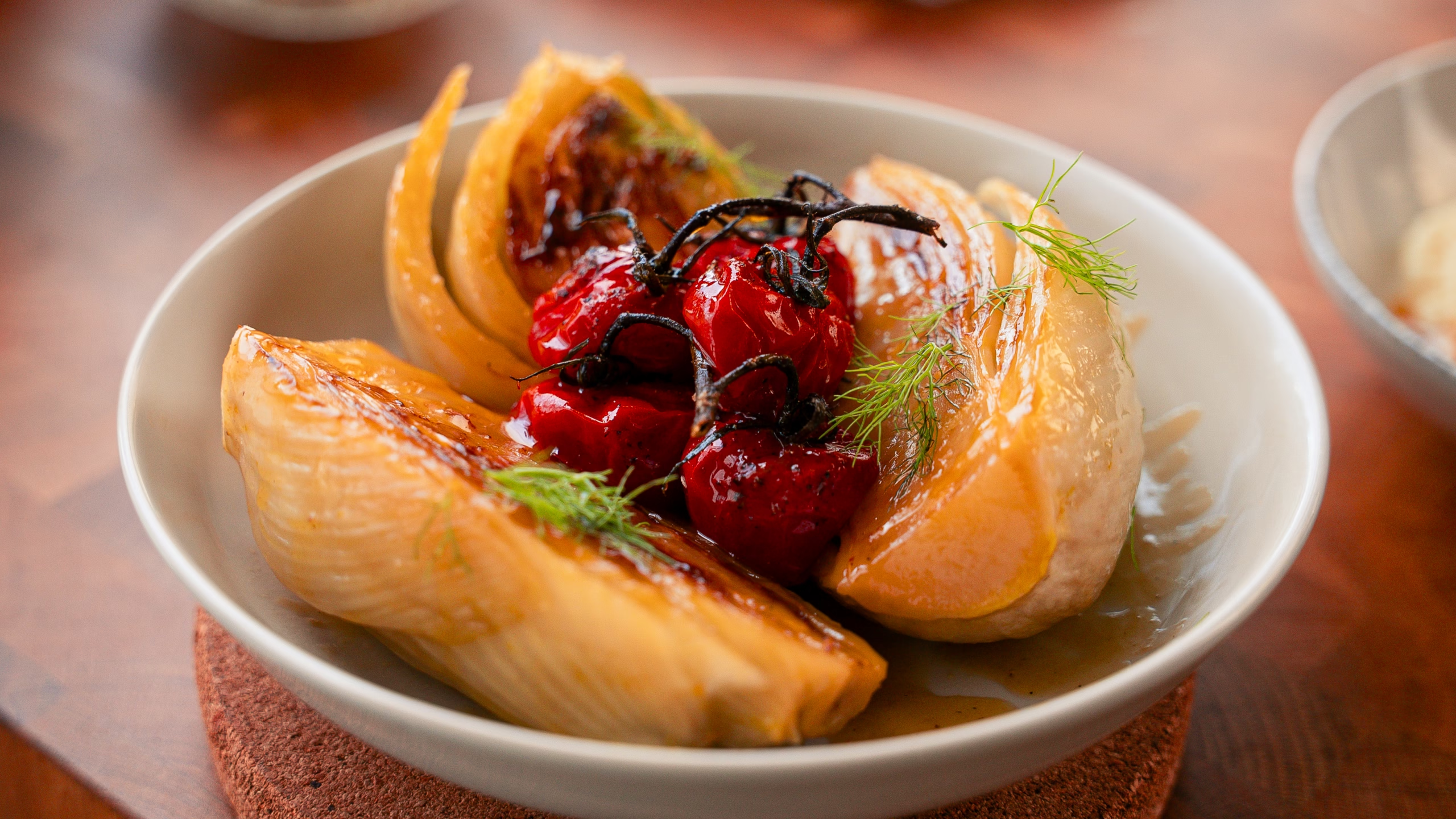
Braised fennel with roasted cherry tomatoes. Perfect as both a main or side dish.
Butter Deserves More Credit
I honestly think butter is one of the reasons restaurant food tastes so good. People often assume that restaurant cooking is incredibly complicated, but a lot of the time it really comes down to simple techniques and quality ingredients treated properly. Butter plays a huge role in that.
Butter softens flavors. It makes sauces richer, vegetables more luxurious, and purées smoother. It creates depth and warmth in a way that is difficult to replace. When fennel slowly cooks in butter, it absorbs that richness while also mellowing out naturally. The result is a vegetable that tastes completely different from its raw version.
The same thing happens with the parsnip purée. Butter transforms it from a basic root vegetable into something silky and restaurant-worthy. There is a reason so many chefs rely on butter so heavily. It quietly improves almost everything it touches.
Why Simple Ingredients Matter
One thing I have learned over the years is that great food does not always need expensive ingredients. Some of the best meals come from simple vegetables cooked carefully and given enough time to shine. Fennel is a perfect example of that.
At first glance, fennel is not particularly exciting to many people. It is not trendy or flashy. Some people even avoid it completely because of the strong flavor. But once you understand how to cook fennel properly, it becomes one of the most rewarding vegetables to work with.
That is one of the reasons I enjoy making dishes like this so much. There is something satisfying about taking an ingredient that people overlook and transforming it into something warm, comforting, and full of flavor. Slow braised fennel proves that vegetables can feel just as luxurious and satisfying as any expensive ingredient when treated with care.
A New Appreciation For Fennel
I never expected fennel to become something I genuinely enjoy this much. But that is the beautiful thing about cooking. Sometimes ingredients just need a different approach. A little extra time, a bit more patience, and enough care to let them become what they are capable of becoming.
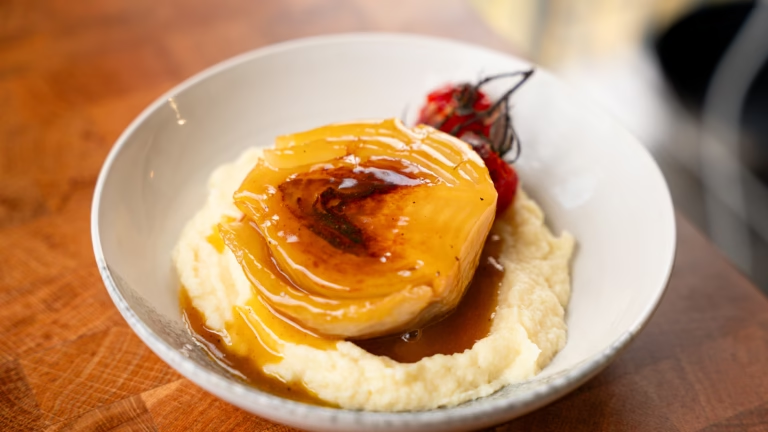
Slow braised fennel completely changed how I see this vegetable. Instead of tasting sharp and overpowering, it became soft, mellow, buttery, and comforting. Combined with creamy parsnip purée and roasted tomatoes, it turned into one of those dishes that feels elegant while still being deeply comforting and homemade. If you usually avoid fennel, this might be the dish that changes your mind too.
Discover how slow braised fennel transforms into a soft, buttery, and comforting dish served with creamy parsnip purée and roasted tomatoes. A simple yet elegant vegetarian dinner full of rich flavor.
Total Time:1 hour 35 minutes
Yield:2–4 portions 1x
Ingredients
Scale
Braised Fennel
2 fennel bulbs
2 tbsp cooking oil
100 ml (⅓ cup + 1 tbsp) white wine
200 ml (¾ cup + 1 tbsp) orange juice
5 tbsp butter
500 g (1 lb) cherry tomatoes
2 tbsp olive oil
Salt, to taste
Black pepper, to taste
Parsnip Purée
2–3 large parsnips, peeled and diced
1 liter (4 cups) milk
4 tbsp butter
Salt, to taste
Black pepper, to taste
Instructions
Braised Fennel
Preheat the oven to 200°C (400°F).
Cut off the fennel stalks and trim the root end slightly, while keeping the bulb intact so it holds together. Remove the outer layer.
Cut the fennel bulbs in half lengthwise.
Heat the cooking oil in an oven-safe frying pan over medium-high heat. Place the fennel cut side down and sear until deeply golden, around 4–5 minutes.
Add the white wine and let it reduce by half.
Add the orange juice and butter, then bring everything to a gentle simmer.
Cover with a lid or aluminum foil and transfer to the oven. Braise for 1 hour.
Meanwhile, place the cherry tomatoes in a separate baking dish. Drizzle with olive oil and season with salt and black pepper.
Roast the tomatoes in the oven alongside the fennel for the same amount of time.
Once the fennel is tender, remove the lid and spoon the sauce over the fennel a few times.
If you want a thicker sauce, remove the fennel from the pan and simmer the sauce on the stove for a few minutes until slightly reduced. You can also add some of the roasting juices from the tomatoes for extra flavor.
Season with salt and black pepper to taste.
Serve with the parsnip purée and roasted cherry tomatoes.
Parsnip Purée
Add the diced parsnips to a pot together with the milk and 3 tbsp butter.
Bring to a gentle simmer over medium-low heat and cook until the parsnips are completely tender, around 20–25 minutes.
Strain the parsnips, reserving the cooking liquid.
Transfer the parsnips to a blender and blend until completely smooth, adding some of the reserved cooking liquid as needed to loosen the purée.
Add the remaining 1 tbsp butter and season with salt and black pepper to taste. Blend once more until silky smooth.