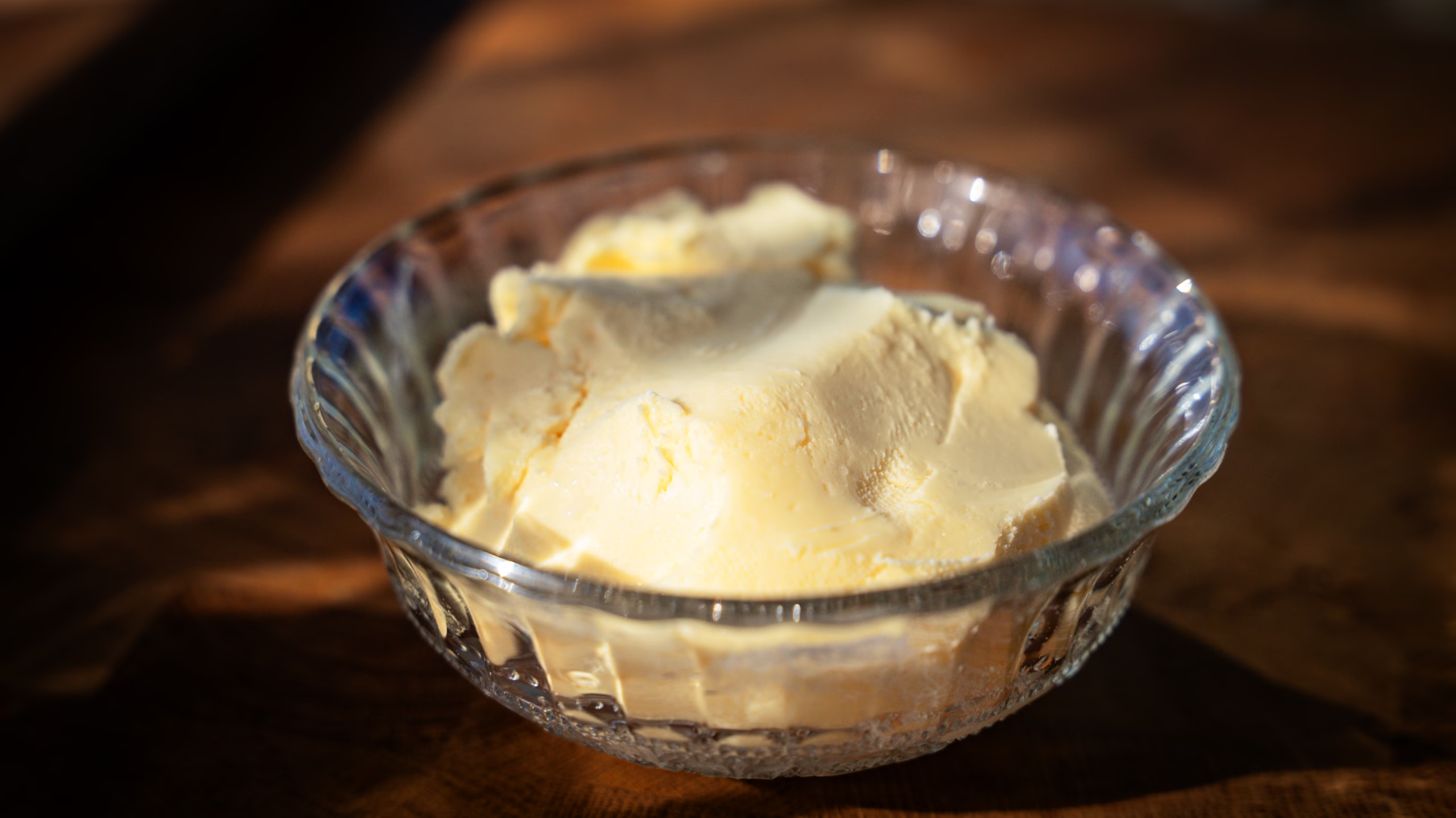
There is something deeply satisfying about making food from scratch, especially when the result is something as soft, fresh, and versatile as ricotta. The process is simple, almost meditative, yet the transformation feels remarkable. With just a few basic ingredients and a bit of patience, milk turns into delicate, creamy curds that can be used in both sweet and savory dishes. Homemade ricotta is not just about the end result, it is about slowing down and paying attention to the small details that make cooking meaningful.
Ricotta has long been a staple in many kitchens, known for its light texture and mild flavor. While store-bought versions are easy to find, making ricotta at home offers a completely different experience. The freshness, the texture, and even the subtle sweetness are hard to replicate with packaged alternatives. When you make ricotta yourself, you gain control over every step, from the type of milk you use to the final consistency.
See how to make the recipe in this video.
What Makes Ricotta So Special
Ricotta stands out among cheeses because of its simplicity. Unlike aged cheeses that require complex techniques and long waiting periods, ricotta can be made in under an hour. The name itself comes from the Italian word for “recooked,” referring to its traditional method of being made from whey. However, modern homemade ricotta is often made directly from milk, which creates a richer and more accessible version.
The appeal of ricotta lies in its versatility. It can be spread on toast, folded into pasta, layered into desserts, or simply enjoyed on its own with a drizzle of honey or olive oil. Its neutral flavor allows it to adapt to whatever you pair it with, making it one of the most useful ingredients you can have in your kitchen.
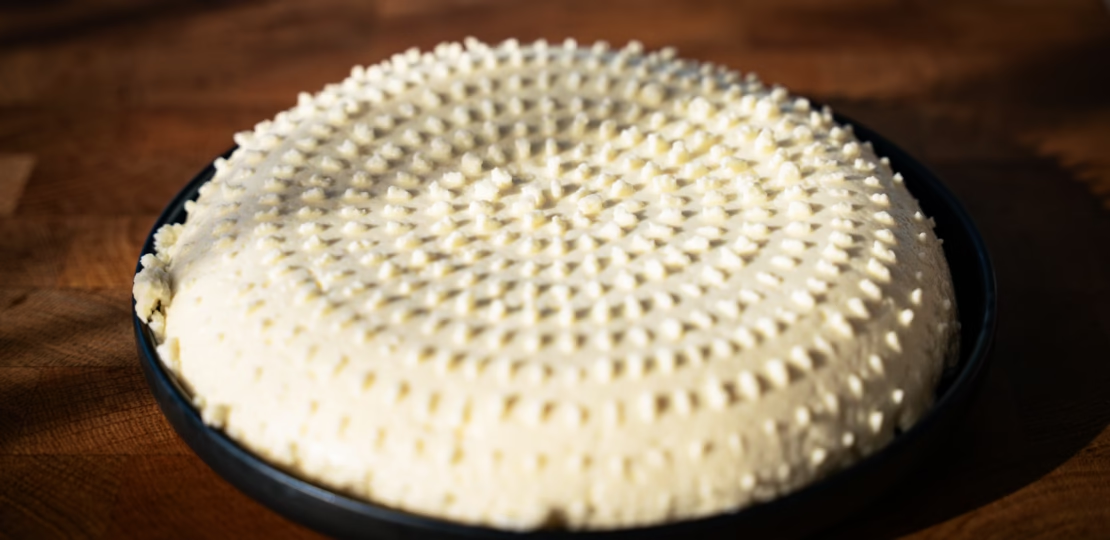
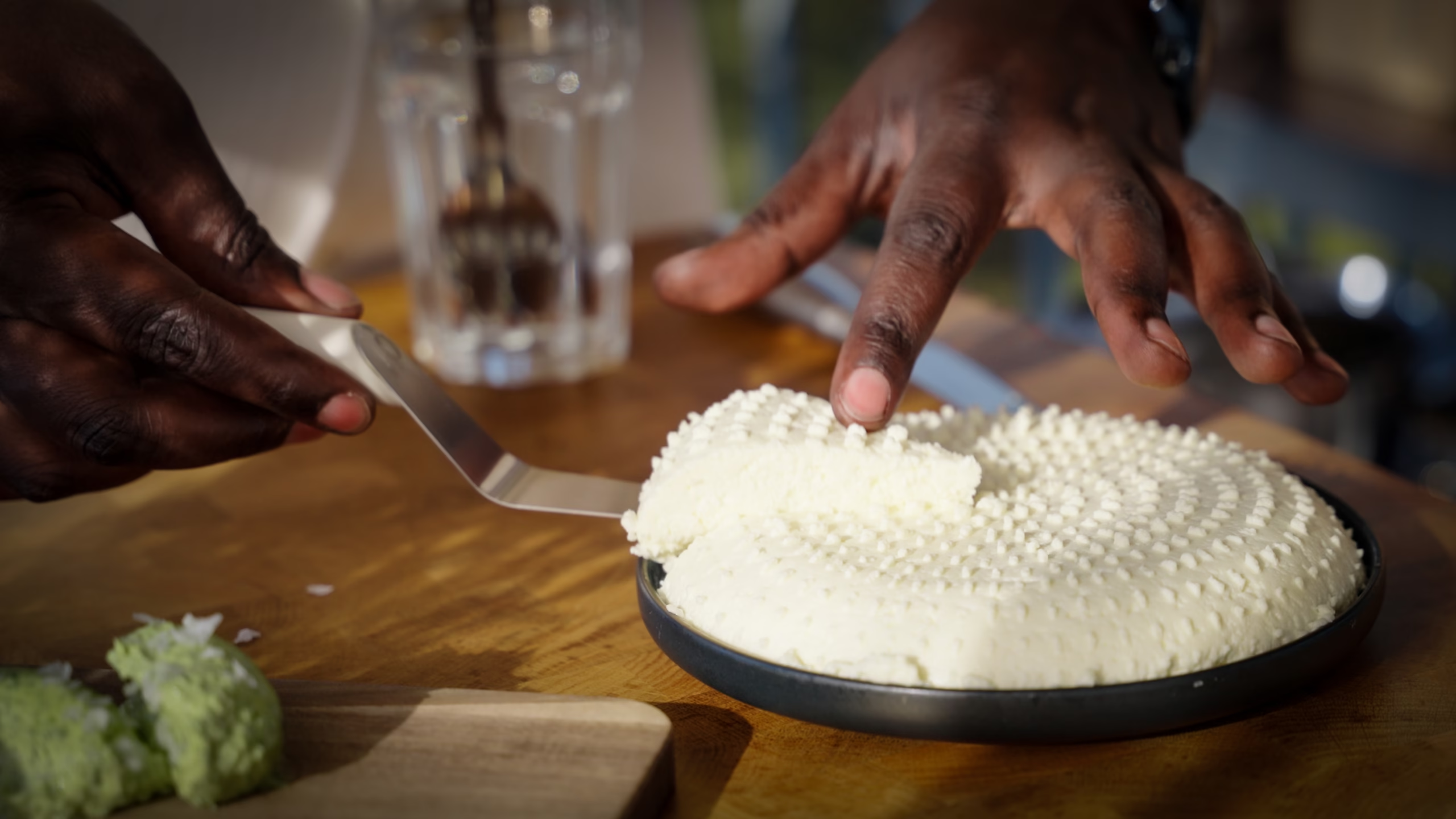
Another reason ricotta is so loved is its texture. Fresh ricotta has a softness that feels almost cloud-like, with small, tender curds that melt gently on the tongue. This texture is difficult to achieve with store-bought versions, which are often more compact and slightly grainy. When you make ricotta at home, you can adjust the draining time to create anything from a loose, creamy consistency to a thicker, spreadable form.
The Difference Between Homemade Ricotta And Store-Bought
The difference between homemade ricotta and store-bought ricotta becomes clear the moment you taste them side by side. Fresh ricotta has a clean, milky flavor with a natural sweetness that does not need enhancement. It feels lighter, softer, and more delicate. Store-bought ricotta, on the other hand, often contains stabilizers or has been sitting for some time, which can affect both flavor and texture.
When you make ricotta yourself, you are working with ingredients at their peak. The milk has not been sitting on a shelf for weeks, and the curds have not been compressed or processed. This results in a product that feels more alive, more connected to the ingredients it came from. It also gives you the freedom to experiment. You can choose different types of milk, adjust the level of richness, or play with how much moisture you retain.
Another important aspect is control. Homemade ricotta allows you to decide exactly how it turns out. If you prefer a softer, spoonable texture, you can reduce the draining time. If you want something firmer for baking or spreading, you can let it drain longer. This level of control is one of the main reasons many people return to making ricotta once they try it for the first time.
Choosing The Right Ingredients For Ricotta
The quality of your ricotta depends heavily on the ingredients you use. Since the recipe is so simple, every component plays a noticeable role in the final result. The most important factor is the milk. Using whole milk with a higher fat content will give you a richer, creamier ricotta. Don’t use ultra-pasteurized milk, as it does not curdle.
Adding a small amount of cream can elevate the richness even further. This is not strictly necessary, but it can make the ricotta feel more luxurious and smooth. The acidity used to curdle the milk is equally important. Lemon juice or white wine vinegar are the most common choices, and each brings a slightly different flavor. Lemon juice adds a gentle brightness, while vinegar keeps the flavor more neutral.
Salt is the final touch that brings everything together. Even a small amount can enhance the natural sweetness of the ricotta and make it more enjoyable to eat on its own. Some people prefer to add salt after the ricotta has drained, allowing for more control over the final taste.
You can decide yourself how firm you want your ricotta. It all depends on how long you leave it to drain.
How To Use Ricotta In Everyday Cooking
Ricotta is one of those ingredients that fits into almost any meal. In the morning, it can be spread on toast and topped with fruit, honey, or nuts. Its mild flavor pairs beautifully with both sweet and savory additions. For lunch, it can be used as a filling for sandwiches or mixed into salads for added creaminess.
In dinner dishes, ricotta becomes even more versatile. It can be folded into pasta, layered into lasagna, or used as a filling for stuffed vegetables. Its light texture balances heavier ingredients, creating dishes that feel satisfying without being overwhelming. Ricotta also works well as a base for sauces, adding body and richness without the need for heavy cream.
Desserts are another area where ricotta shines. It can be used in cakes, pastries, or simple bowls with sugar and citrus zest. The natural sweetness of fresh ricotta makes it a perfect partner for ingredients like berries, chocolate, or vanilla. It adds a softness and depth that is difficult to achieve with other cheeses.
Why Making Ricotta At Home Is Worth It
In a world where convenience often takes priority, making ricotta at home is a small act of intention. It does not require advanced skills or special equipment, yet it offers a sense of accomplishment that is hard to match. The process invites you to slow down, to observe, and to engage with your food in a more meaningful way.
There is also a certain confidence that comes from understanding how something is made. Once you have made ricotta a few times, the process becomes intuitive. You begin to recognize the subtle signs, the way the curds form, the way the texture changes as it drains. This knowledge stays with you and can be applied to other areas of cooking.
Bringing Ricotta Into Your Routine
Incorporating ricotta into your cooking routine does not have to be complicated. It can start with something as simple as making a small batch on a quiet afternoon. From there, you can begin to explore different uses, different textures, and different pairings. Over time, ricotta can become a staple, something you return to again and again.
The beauty of ricotta is that it fits into both everyday meals and special occasions. It can be as simple or as refined as you want it to be. Whether you are spreading it on bread or incorporating it into a more elaborate dish, it brings a sense of care and craftsmanship to your cooking.
Making ricotta is not just about producing cheese, it is about creating a moment. It is about taking a step back from the fast pace of daily life and focusing on something tangible and rewarding. And in the end, you are left with something that is not only delicious but also deeply satisfying to have made yourself.
Homemade ricotta made from milk and cream. A simple, from-scratch process that creates fresh, soft ricotta perfect for everyday cooking.
Total Time:40 minutes
Yield:1 medium-sized bowl 1x
Ingredients
Scale
2 l (8 ½ cups) whole milk (not ultra-pasteurized)
3 dl (1 ¼ cups) heavy cream (not ultra-pasteurized)
¾ dl (¼ cup) white wine vinegar or lemon juice
2–3 tsp salt
Instructions
Pour the milk and cream into a large pot and heat gently over medium heat, stirring occasionally to prevent scorching. Bring the mixture to 85–90°C (185–195°F), then remove from the heat.
Add the vinegar or lemon juice and stir briefly. The milk should begin to curdle almost immediately. Let it sit undisturbed for 10–15 minutes to fully separate.
Line a sieve with cheesecloth or use a cheese basket, then gently ladle in the curds. Let the ricotta drain for 30–60 minutes, depending on how thick you want it.
Transfer the ricotta to a bowl or plate and serve.