Salmon is one of those ingredients that rarely needs an introduction. It is popular all over the world, easy to find in most grocery stores, and versatile enough to be used in everything from quick weekday dinners to special occasion meals. Yet despite all the different ways people cook salmon, I still think salmon confit remains surprisingly underrated.
When most people think of cooking salmon, they think of pan-frying, grilling, baking, or perhaps curing it. Salmon confit takes a different approach. Instead of exposing the fish to high heat, it is gently cooked in oil at a low temperature. The result is a piece of salmon that is incredibly tender, moist, and delicate.
The first time I tried salmon confit, I was surprised by how different it felt compared to other salmon dishes. The texture becomes silky and soft while still holding together beautifully. The fish flakes apart effortlessly, yet it never feels dry or overcooked. If you enjoy salmon, salmon confit is one of those techniques that is worth trying at least once.
See how to make the recipe in this video.
What Is Salmon Confit?
The word confit originally comes from a French preservation technique. Traditionally, meat such as duck would be slowly cooked in fat and then stored beneath that fat. While modern salmon confit is not usually made for preservation, it uses the same gentle cooking principle.
For salmon confit, the fish is submerged in oil and cooked at a low temperature. Because the heat is so gentle, the salmon retains much more moisture than it would during many other cooking methods. This creates a texture that is difficult to achieve through frying or roasting.
One of the things I appreciate most about salmon confit is how forgiving it can be. The slower cooking process gives you a larger margin for error compared to cooking salmon in a very hot pan. Rather than racing against the clock to avoid overcooking, you can focus on developing flavor and achieving the texture you want.
Why I Like To Cure The Salmon First
While curing is optional, I like taking the extra step before making salmon confit. A simple cure helps season the fish throughout and slightly firms up the texture before cooking.
In Sweden, curing salmon is almost a cooking tradition in itself. Gravad lax appears on tables throughout the year, especially during holidays such as Christmas, Easter, and Midsummer. The process of combining salt, sugar, herbs, and citrus with salmon is something many people are familiar with.
For salmon confit, the cure serves a slightly different purpose. Because the fish is cooked gently and not heavily seasoned during cooking, the curing stage allows flavor to penetrate the salmon beforehand. The result is a more flavorful piece of fish without overwhelming its natural character. The curing process also gives the salmon a slightly firmer texture, which helps it hold together nicely once it is transferred into the warm oil.
Infusing Flavor Into The Oil
One of the most enjoyable parts of making salmon confit is building flavor into the oil itself. Since the fish cooks slowly in that oil, the ingredients added to it have plenty of time to release their aromas.
Fresh herbs, garlic, citrus, and spices work particularly well. As the oil warms, these ingredients gently perfume the cooking environment around the salmon. The result is subtle rather than overpowering, which is exactly what makes salmon confit so appealing.
Unlike sauces or marinades that can sometimes dominate the fish, the infused oil enhances the salmon while still allowing its natural flavor to remain the star of the dish.
Even if you don’t sear the salmon when it’s done, it will taste amazing.
To Sear Or Not To Sear?
One of the most common questions after making salmon confit is whether it should be served exactly as it comes out of the oil or finished with a quick sear. The answer depends entirely on what kind of experience you are looking for.
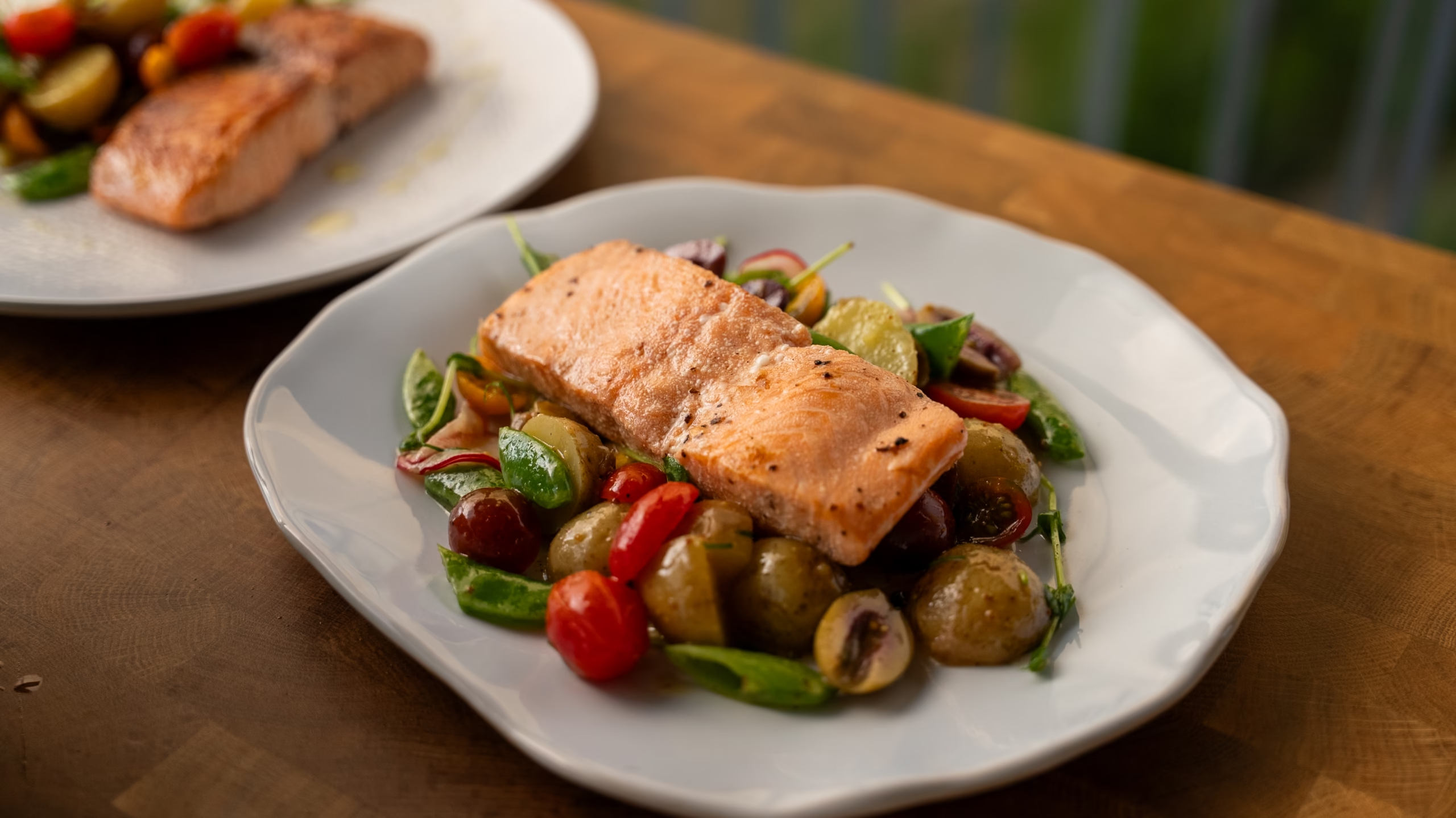
Serving salmon confit without searing highlights everything that makes the technique special. The fish remains exceptionally delicate, moist, and silky. Every bite feels soft and luxurious. If your goal is to showcase the texture created by the confit process, leaving it untouched is often the best option.
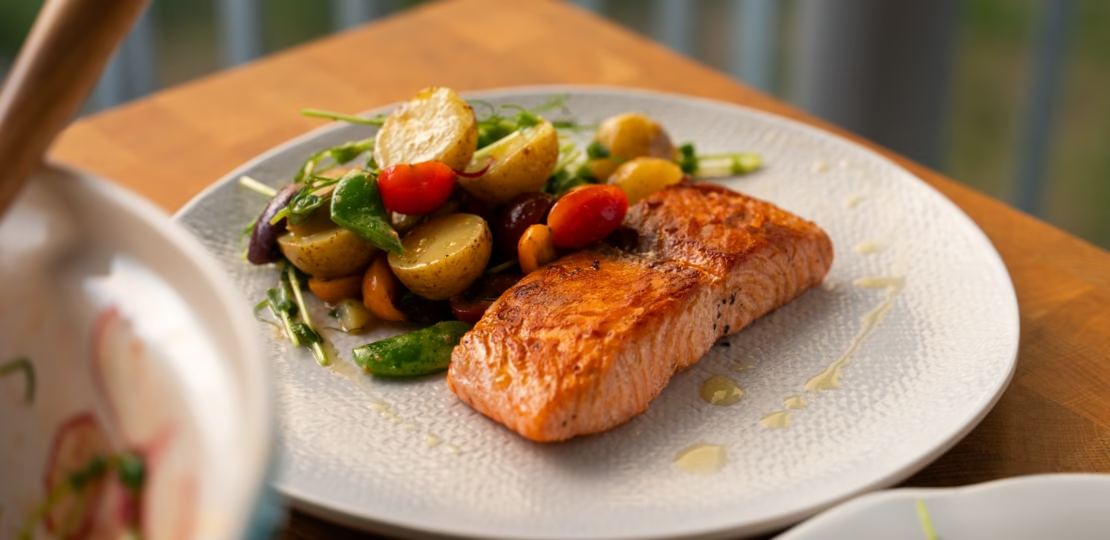
A quick sear creates a completely different result. The outside develops a thin golden crust while the interior stays tender and moist. That contrast between the crisp exterior and soft center can be incredibly satisfying. It also adds a deeper roasted flavor that some people associate more strongly with cooked salmon.
Neither approach is right or wrong. Sometimes I serve salmon confit exactly as it comes out of the oil because I want that pure, delicate texture. Other times I quickly sear one side before serving because I enjoy the additional texture and color. The nice thing about salmon confit is that you can choose whichever version suits your mood.
Building A Simple Spring Potato Salad
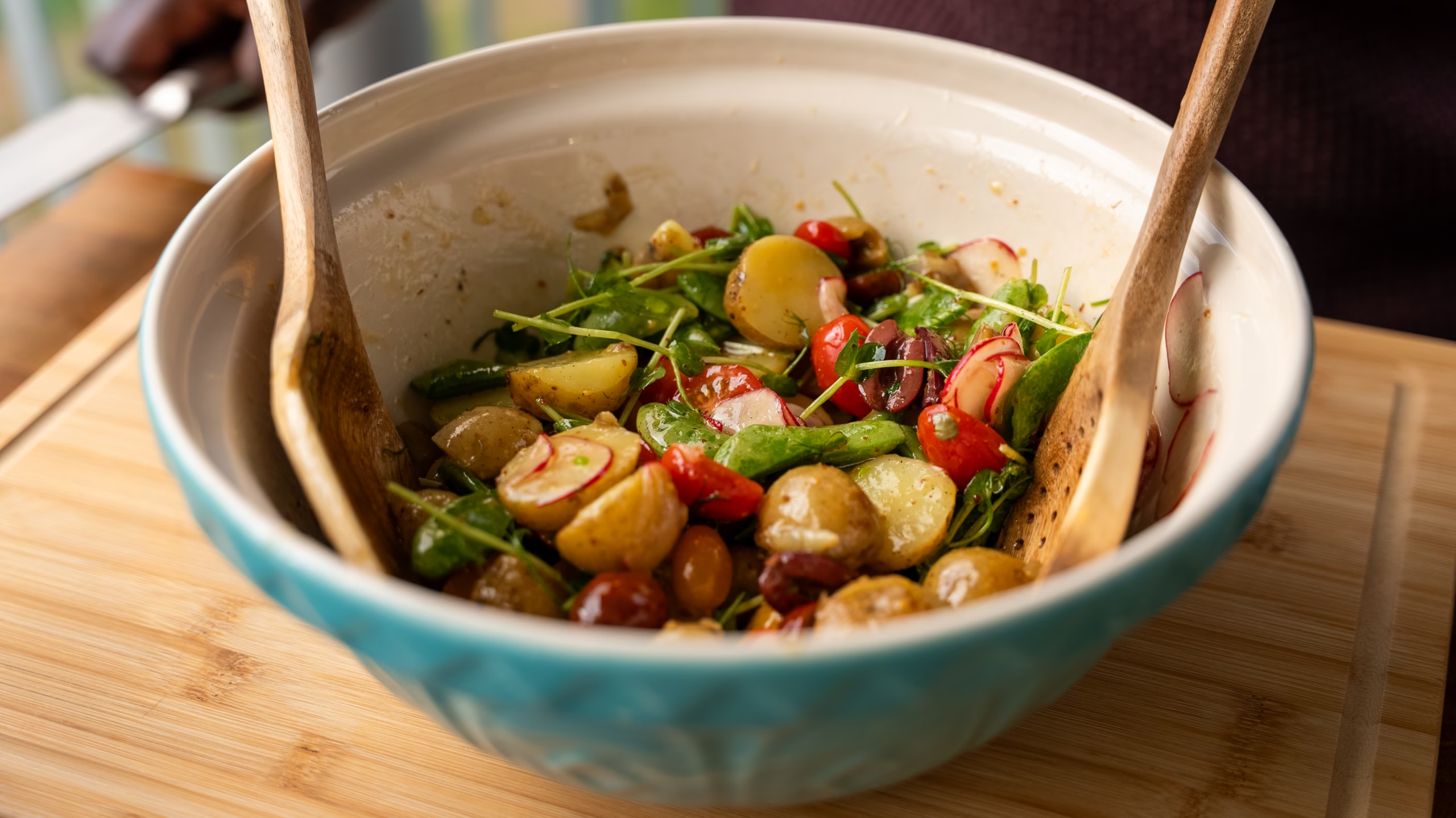
To serve alongside the salmon confit, I made a fresh potato salad filled with seasonal vegetables. Potatoes and salmon have always been a natural combination, and the freshness of the salad balances the richness of the fish beautifully.
What I like about this style of potato salad is how flexible it is. The version I made includes potatoes, crunchy vegetables, and a light vinaigrette, but it should really be viewed as an example rather than a strict formula.
You can use whatever vegetables you enjoy or happen to have available. Fresh peas, cucumber, green beans, asparagus, herbs, lettuce, or even roasted vegetables can all work well. Potato salad is one of those dishes that adapts easily to the season.
The dressing is equally flexible. I prefer a simple vinaigrette because it keeps the dish feeling fresh and light, especially when paired with salmon confit. However, if you prefer a creamy potato salad, there is no reason not to go in that direction instead. A dressing based on mayonnaise, sour cream, crème fraîche, or yogurt can work just as well. The goal is not to follow a strict set of rules. The goal is to create something that complements the salmon confit and suits your own taste.
Potato salad is the perfect side for salmon confit.
Why Salmon And Potatoes Work So Well Together
There is a reason salmon and potatoes appear together in so many cuisines. The combination creates a balance that feels satisfying without being overly complicated. The richness of salmon benefits from something mild and comforting alongside it. Potatoes provide exactly that. They absorb flavors well, offer a pleasant texture, and create a substantial meal without competing for attention.
When paired with a fresh salad, the combination becomes even more balanced. The vegetables add crunch, brightness, and freshness, while the salmon confit provides richness and depth. Together, they create a meal that feels elegant enough for guests while remaining approachable enough for a relaxed dinner at home.
A Different Way To Cook Salmon
If you usually cook salmon in a frying pan or oven, salmon confit can feel surprisingly different. The technique requires a little patience, but the reward is a texture that is difficult to achieve any other way.
What I enjoy most about salmon confit is how it encourages a slower approach to cooking. Instead of relying on high heat and speed, it focuses on gentle cooking and subtle flavors. The result is a dish that feels refined without being complicated.
Combined with a simple potato salad, salmon confit becomes the kind of meal that highlights the quality of the ingredients rather than hiding them. Sometimes that is exactly what good cooking is about, taking a few simple ingredients and treating them with enough care that they can speak for themselves.
Salmon confit gently cooked in herb-infused olive oil and served with a fresh spring potato salad. A simple yet elegant salmon dinner.
Total Time:1 hour 30 minutes
Yield:2–4 portions 1x
Ingredients
Scale
Salmon Confit
2–4 salmon fillets, skin removed
200 g (1 cup) salt
3 tbsp sugar
1 bunch fresh dill, finely chopped
Zest of 1 lemon
2 tsp black pepper
1 liter (4 cups) olive oil
Zest of 1 lemon, removed in wide strips using a vegetable peeler
1 tsp whole black peppercorns
2 sprigs sage
2 sprigs rosemary
6 garlic cloves, peeled
Potato Salad
400 g (14 oz) boiled potatoes, halved or quartered
100 g (3½ oz) snap peas, halved
200 g (7 oz) cherry tomatoes, halved
3–5 radishes, thinly sliced
15–20 olives
1 bunch pea sprouts
4 tbsp olive oil
1 tbsp honey
1 tsp mustard
Juice of ½ lemon
Salt, to taste
Black pepper, to taste
Instructions
Salmon Confit
In a shallow dish, combine the salt, sugar, dill, lemon zest, and black pepper.
Coat the salmon fillets evenly with the curing mixture. Let cure for 30–60 minutes.
Preheat the oven to 100°C (210°F).
Pour the olive oil into an oven-safe baking dish or skillet. Add the lemon zest strips, black peppercorns, sage, rosemary, and garlic cloves.
Rinse the salmon gently in a bowl of cold water to remove the curing mixture.
Pat the salmon dry with paper towels.
Place the salmon in the oil. The fillets should be mostly submerged. Bake for around 30 minutes, or until the salmon reaches an internal temperature of 50–52°C (122–126°F) and flakes easily.
Carefully remove the salmon from the oil.
Serve as is, or sear one side in a hot skillet for 1–2 minutes until lightly golden.
Potato Salad
Add the potatoes, snap peas, cherry tomatoes, radishes, olives, and pea sprouts to a large bowl.
In a separate bowl, whisk together the olive oil, honey, mustard, lemon juice, salt, and black pepper until slightly thickened.
Pour the dressing over the vegetables and gently toss to combine.