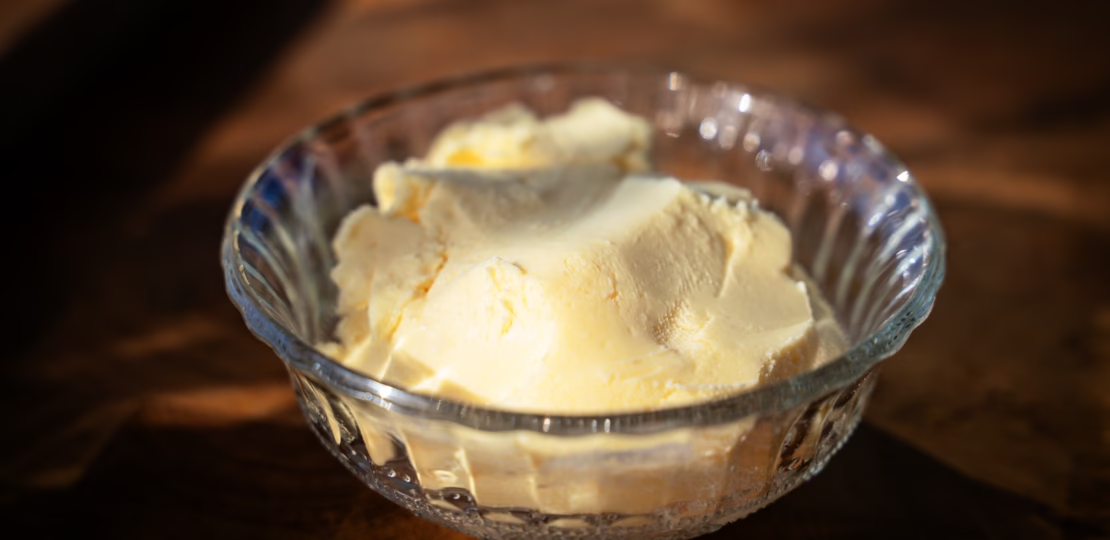
There is something quietly satisfying about making homemade butter. It takes a single ingredient, a bit of movement, and a few minutes of patience, yet the result feels far more valuable than the effort suggests. Homemade butter is one of the simplest things you can make in the kitchen, but it also carries a sense of craftsmanship that connects you to the process in a way store-bought products rarely do.
In a time where convenience often takes priority, choosing to make homemade butter is not just about saving money or improving flavor, it is about understanding what you are eating. When you make homemade butter yourself, you see exactly how it transforms, how cream separates into butter and buttermilk, and how something so familiar is actually created.
See how to make the recipe in this video.
What Is Homemade Butter And How Does It Work
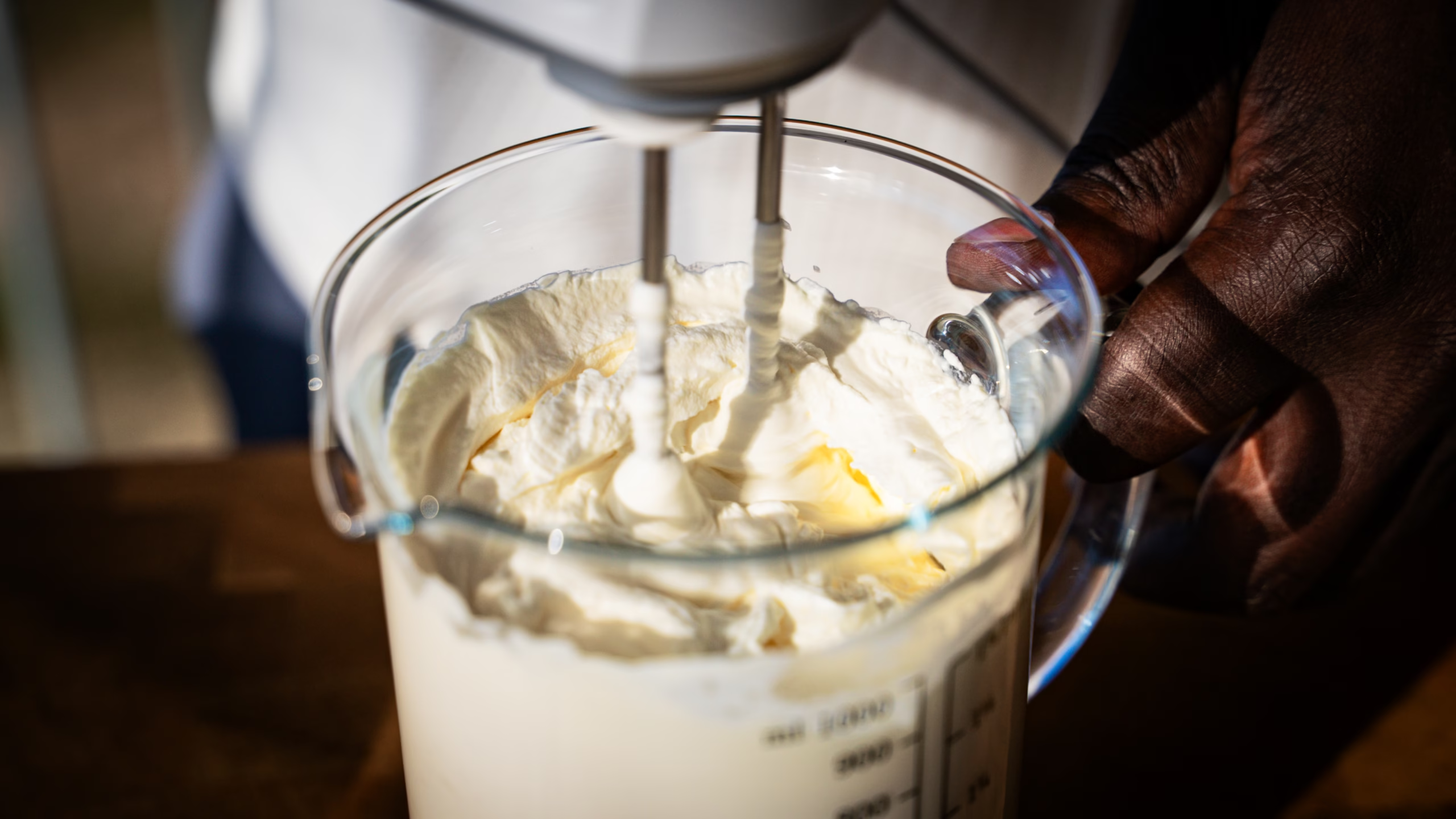
Homemade butter is made by agitating cream until the fat separates from the liquid. At first, the cream thickens into whipped cream. If you continue, it reaches a point where the structure breaks, and the fat clumps together into butter while the liquid becomes buttermilk. This transformation is simple, yet it feels almost surprising the first time you see it happen.
The science behind homemade butter is straightforward. Cream contains fat molecules suspended in liquid. When you agitate the cream, these fat molecules begin to collide and stick together. Over time, they form larger and larger clusters until they separate completely from the liquid. This is what creates homemade butter.
What makes homemade butter special is not just the process, but the freshness. Unlike store-bought butter, which may have been processed, packaged, and stored for some time, homemade butter is as fresh as it gets. The flavor is cleaner, slightly sweeter, and more reflective of the cream you started with.
The Difference Between Homemade Butter And Store-Bought Butter
The difference between homemade butter and store-bought butter becomes clear as soon as you taste them side by side. Homemade butter has a softer texture and a more delicate flavor. It spreads easily and has a natural richness that feels less processed.
Store-bought butter is designed for consistency and shelf life. It is often firmer and more uniform, which can be useful, but it also means it lacks some of the subtle qualities that make homemade butter so appealing. When you make homemade butter, you are not aiming for industrial consistency, you are creating something that reflects your ingredients and your process.
Another important difference is control. With homemade butter, you decide how much salt to add, how long to work the butter, and even how firm or soft you want it to be. This level of control allows you to tailor homemade butter to your preferences, which is something you cannot do with packaged butter.
Butter is very easy to make, you just need to agitate the cream until it separates.
The Process Of Making Homemade Butter
Making homemade butter is less about following strict steps and more about understanding the stages. It begins with liquid cream, which slowly thickens as you whisk or mix it. At this stage, it resembles whipped cream, and it can feel like the process is complete. However, this is only the halfway point. As you continue, the structure begins to change. The whipped cream starts to look grainy, and then suddenly, the separation happens. Butter forms as small clumps, and the buttermilk separates out. This moment is often the most satisfying part of making homemade butter.
Once the butter has formed, it needs to be handled gently. Removing the buttermilk is important, as any remaining liquid can affect how long the homemade butter lasts. Rinsing the butter with cold water helps remove any traces of buttermilk and improves its shelf life.
At this stage, homemade butter can be shaped, salted, or left plain. Each choice affects the final flavor and texture. Some prefer the clean taste of unsalted homemade butter, while others enjoy adding a small amount of salt to enhance the flavor.
Why Homemade Butter Tastes Better
Homemade butter often tastes better because it is fresh and unprocessed. The flavor is more direct, more connected to the cream, and less influenced by storage or handling. There is a subtle sweetness that comes through, especially when using high-quality cream.
Texture also plays a role. Homemade butter tends to be softer and more spreadable, which makes it more enjoyable in everyday use. It feels less dense and more natural, which can enhance even simple dishes like bread or vegetables.
Another factor is the absence of additives. Homemade butter contains only what you choose to put into it. This simplicity allows the natural flavor to stand out. For many people, this is one of the main reasons to make homemade butter.
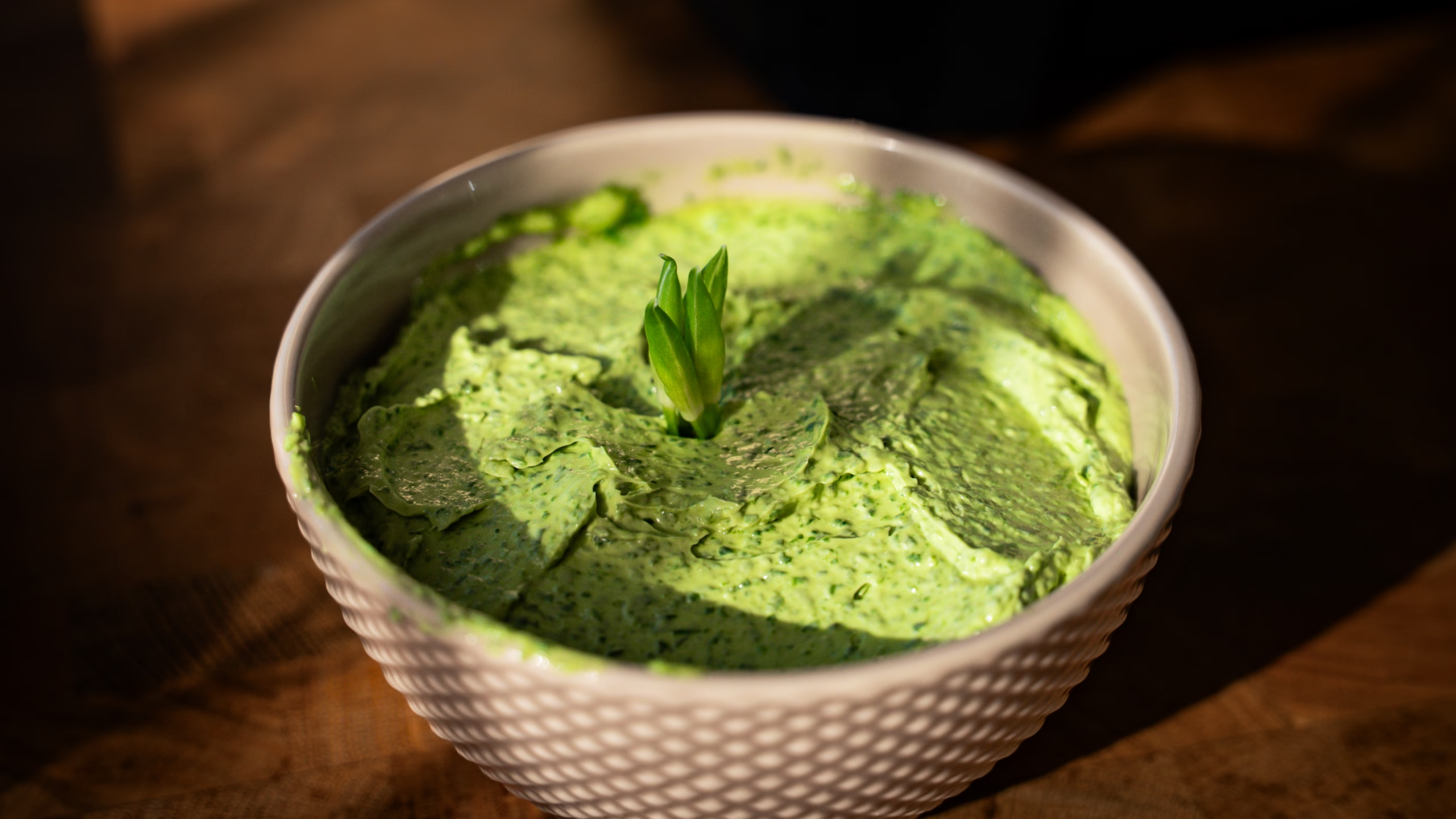
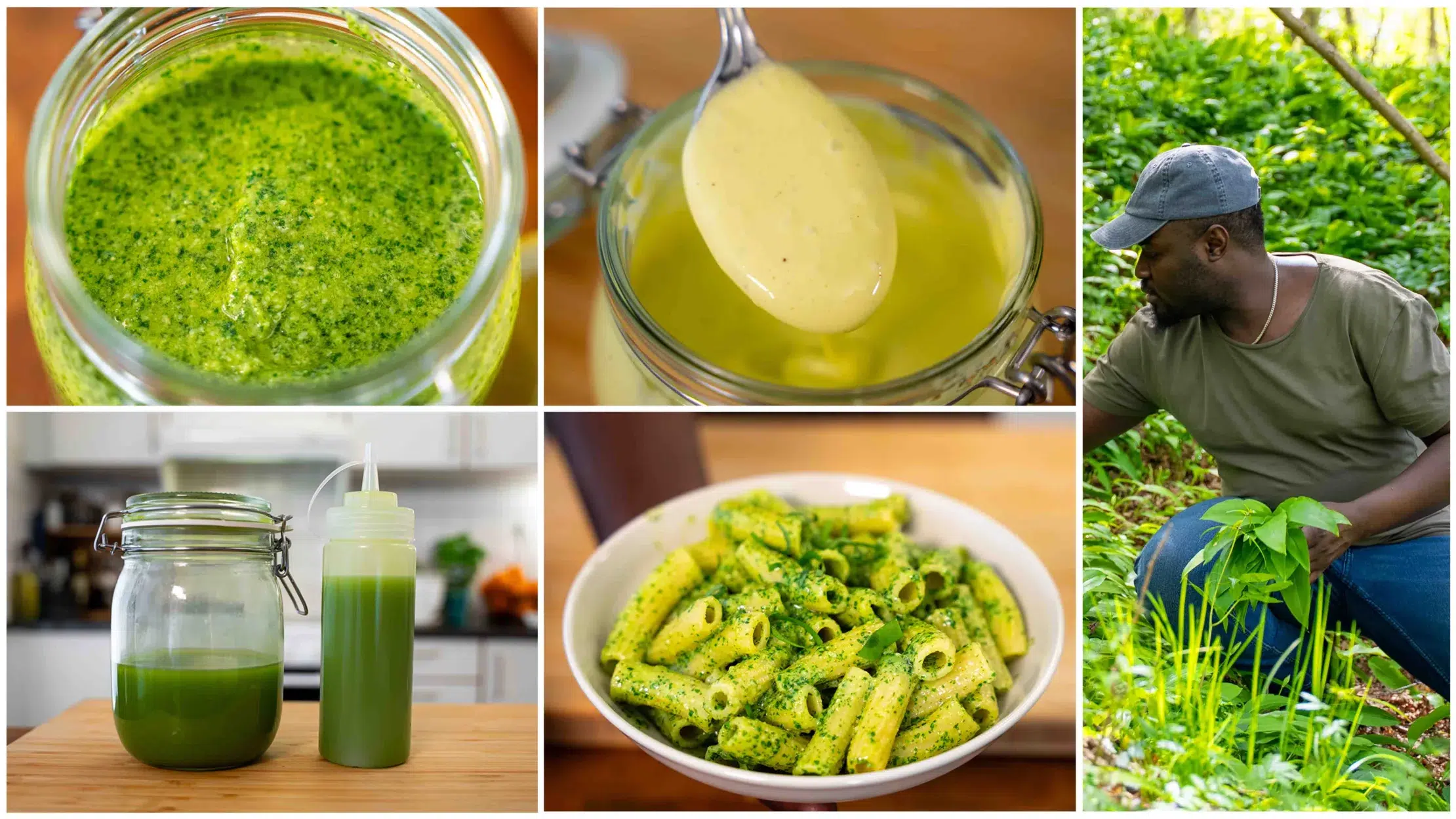
Flavored butter is an amazing thing to make. In this one, I blended in wild garlic.
Ways To Use Homemade Butter In Everyday Cooking
Homemade butter fits easily into everyday cooking. It can be used anywhere you would normally use butter, but it often elevates the dish simply because of its freshness. Spread on warm bread, homemade butter becomes a highlight rather than just a background ingredient.
In cooking, homemade butter can be used for sautéing, baking, or finishing dishes. It adds richness and depth without feeling heavy. Because the flavor is more pronounced, you may find that you need less of it to achieve the same effect.
Homemade butter can also be flavored. Adding herbs, garlic, or citrus zest can turn it into something more complex. This allows you to create variations that suit different dishes, from savory meals to sweet treats.
Bringing Homemade Butter Into Your Kitchen
Incorporating homemade butter into your kitchen does not require a major change. It can start with a single batch, made out of curiosity. Once you experience the process and the result, it often becomes something you return to.
Homemade butter fits naturally into both simple and more elaborate meals. It can be used in everyday cooking or saved for special occasions. Its versatility makes it a valuable addition to any kitchen.
What makes homemade butter truly special is not just how it tastes, but how it feels to make it. It turns a basic ingredient into something personal, something that reflects your time and attention. And in doing so, it reminds you that even the simplest foods can carry a deeper sense of value when they are made by hand.